Cute Goose Patch Embroidery Design Review
As an embroidery designer who has spent years digitizing and testing files for small business clients, I have learned that the difference between a cute novelty item and a profitable brand asset often comes down to execution. When I first opened the CUTE GOOSE Patch Embroidery Design, my immediate impression was one of approachable charm. In the world of Animals themed Embroidery, it is easy to fall into the trap of overly complex detailing that loses clarity at smaller sizes. However, this design strikes a balance between playful character and clean stitch work, making it a strong contender for businesses looking to inject personality into their small business merch.
First Impressions: Visual Personality and Brand Fit
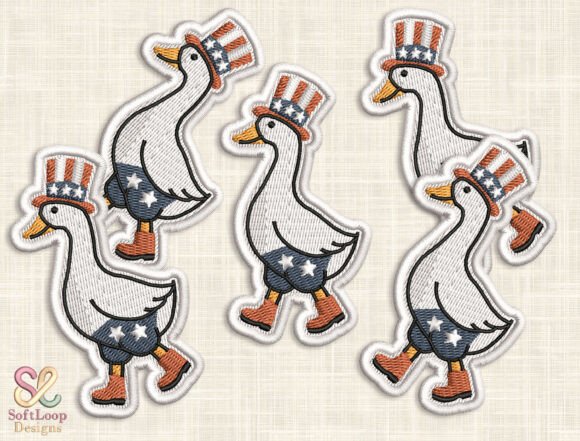
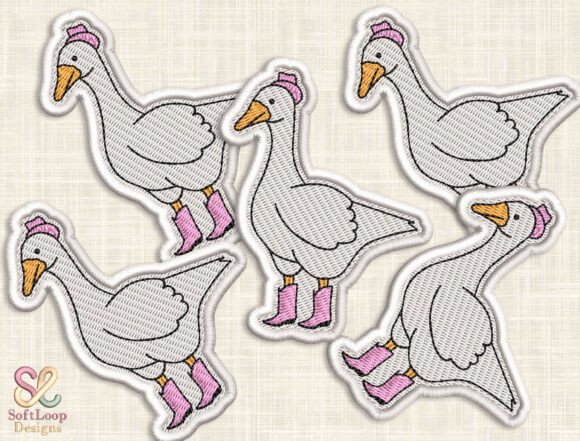
The core appeal of the CUTE GOOSE Patch Embroidery Design lies in its ability to convey warmth. The description highlights a sweet little goose bundled up in a cozy hat, which immediately signals a friendly, rustic, or handmade aesthetic. For boutique owners, bakeries, florists, or pet brands, this visual language is invaluable. It does not scream "corporate sterile"; instead, it whispers "community focused."
From a design perspective, the use of a cozy hat adds a layer of seasonal versatility. While it feels inherently autumnal or wintery, the whimsical nature of a goose allows it to transcend strict seasonal boundaries if paired with the right thread colors. The design feels decorative yet structured, avoiding the messy look that sometimes plagues amateur digitizing. It presents as a premium, thoughtful addition to a product line rather than an afterthought.
Real-World Applications for Small Business Merchandise
The true test of any machine embroidery design is its versatility across different substrates. Here is how I envision the CUTE GOOSE Patch Embroidery Design performing in real commercial scenarios:
- Embroidered Patches: This is arguably the strongest use case. The contained shape of the goose makes it ideal for cut-edge or merrowed border patches. These can be sold as standalone accessories or applied to denim jackets and canvas bags, creating high-margin add-ons for your shop.
- Staff Uniforms and Aprons: For cafes and creative studios, branding on aprons is subtle but effective. Placing this design on the chest pocket area of a canvas apron creates an instant connection with customers. It softens the professional image, making staff appear more approachable.
- Cap Embroidery: Front-panel cap embroidery requires designs that are wide rather than tall. Depending on the specific dimensions of the file, this goose could work beautifully on the side panel of a trucker hat or the front of a dad hat, provided the scale is adjusted correctly.
- Tote Bag Design: Canvas tote bags are a staple for eco-conscious brands. The CUTE GOOSE Patch Embroidery Design serves as a focal point on a blank tote, elevating a simple bag into a branded statement piece.
- Customer Gifts and Event Merch: Small embroidered items make excellent loyalty rewards. A keychain fob or a small pouch featuring this goose can enhance customer retention and brand loyalty.
Technical Considerations and Placement Strategy
While the design is charming, technical diligence is required to ensure the finished product meets professional standards. As a designer, I always advise checking the stitch density before running a full production batch. High-density areas, such as the eyes or the texture of the cozy hat, can cause puckering if the fabric is not properly supported.
Here are critical areas where you must exercise caution:
- Small Patch Sizes: If you plan to shrink this design for tiny labels or jewelry tags, ensure that the details do not merge. Fine lines in the hat’s knit pattern may disappear if the design is scaled down too aggressively.
- Curved Surfaces: Embroidering on curved surfaces like caps or rounded mugs requires precise hooping. The symmetry of the goose must remain intact; otherwise, the character can look distorted, undermining the professional look.
- Fabric Texture: Textured fabrics like terry cloth or heavy wool can swallow small stitches. Test the CUTE GOOSE Patch Embroidery Design on smooth cotton or twill first to establish a baseline for quality.
- Dark Uniforms: If using dark uniforms, ensure you have a proper underlay strategy. Without sufficient coverage, the fabric color may show through lighter thread colors, reducing the vibrancy of the goose.
Impact on Brand Identity and Customer Trust
Consistency in visual assets builds trust. When a customer sees the same high-quality embroidered patch on your website, your packaging, and your physical store, it reinforces brand recognition. The CUTE GOOSE Patch Embroidery Design contributes to a cohesive brand identity that values craftsmanship.
In the era of fast fashion, handmade details signal value. A well-executed embroidery job suggests that the business owner cares about quality. This perception allows you to command higher price points for your custom apparel and accessories. Furthermore, playful designs like this encourage social sharing. Customers are more likely to post a photo of a cute goose on their new tote bag than a generic text logo, providing you with organic marketing exposure.
Practical Designer Notes for Production
Before you integrate this digital embroidery file into your workflow, follow these practical steps to ensure success:
- Test in Black and White: Before committing to colorful threads, stitch out the design in black thread on white fabric. This reveals the structural integrity of the digitizing and helps you spot any spacing issues without the distraction of color.
- Check Hoop Size Compatibility: Confirm that the design fits within your standard hoop sizes. If it requires a large hoop, calculate if this limits your ability to embroider smaller items like sleeves or pockets.
- Select the Right Stabilizer: Use a cut-away stabilizer for garments that will undergo frequent washing, such as staff uniforms. For decorative patches, a tear-away might suffice, but durability should be your priority for commercial goods.
- Create a Printable Mockup: Use a printable mockup to visualize the design on various products before stitching. This helps in planning your design assets for marketing materials and client approvals.
- Verify Commercial Licensing: Always confirm the license terms associated with the embroidery file. Ensure you have the rights to use the design on items for sale, especially if you are producing high volumes for commercial embroidery projects.
- Review Thread Color Contrast: The cozy hat and the goose body need distinct contrast to be recognizable from a distance. Choose thread palettes that highlight these differences rather than blending them together.
In conclusion, the CUTE GOOSE Patch Embroidery Design is a versatile and engaging asset for small business owners. It bridges the gap between whimsical charm and professional application. By paying attention to technical details like stabilizer choice, hoop size, and placement, you can transform this digital file into a tangible driver of brand engagement and revenue. Whether used on a bakery apron or a boutique tote, this design has the potential to become a signature element of your brand’s visual story.