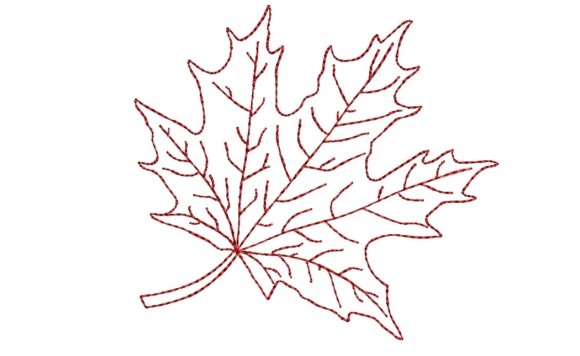
Maple Leaf: A Designer’s Review for Craft Fair Success
As an embroidery designer who has spent countless weekends behind a booth table, I know that not every design translates into a sale. Some look beautiful on a screen but get lost in the chaos of a craft fair. Others are too complex to produce in bulk without causing thread breaks or hooping nightmares. Today, I am reviewing Maple Leaf, a machine embroidery design from the Single Flowers category, specifically through the lens of a maker preparing for the autumn market season.
The premise is simple: this chic maple leaf embroidery aims to help creators build amazing autumnal designs, Canadian-themed projects, and kitchen decor. But does it hold up under the scrutiny of a busy buyer? Let’s break down how this Embroidery asset performs in the real world of handmade business.
First Impressions: Minimalism Meets Seasonal Warmth
When I first loaded the digital embroidery file into my software, my immediate reaction was one of relief. In a market saturated with overly intricate, dense designs, Maple Leaf offers a breath of fresh air. It feels modern, rustic, and undeniably festive without being kitschy. The silhouette is clean, suggesting a design that relies on strong shape rather than excessive detail. This is crucial for craft fair products because customers often view items from a few feet away before picking them up. A bold, recognizable shape grabs attention faster than a tiny, detailed scene.
The aesthetic leans towards "farmhouse chic" and "modern minimal." It avoids the clutter that can make a product look dated. For an Etsy seller or boutique maker, this versatility is gold. It fits seamlessly into a neutral color palette, which is currently dominating home decor trends. Whether you are aiming for a cozy cabin vibe or a sleek urban apartment look, this design adapts well.
Product Viability: Where Maple Leaf Shines
The true test of any craft fair product is its application. I mentally placed Maple Leaf on various blanks to see where it would generate the most revenue. Here is my assessment of its performance across different mediums:
- Tote Bag Design: This is arguably the strongest contender. A large-scale Maple Leaf centered on a canvas tote creates an instant statement piece. It is easy to read from a distance, making it an excellent booth sample. The simplicity ensures it doesn't overwhelm the fabric, allowing the natural texture of the canvas to show through.
- Apron Embroidery: For kitchen decor, this design is perfect. Placed on the bib of a linen or cotton apron, it adds a touch of seasonal warmth. It appeals to buyers looking for hostess gifts or someone who loves baking. The clean lines prevent the apron from looking too busy, maintaining a professional, high-end appearance.
- Tea Towel Embroidery: Kitchen towels are impulse buys at fairs. Because Maple Leaf is described as simple, it likely stitches out quickly, allowing for batch production. However, caution is needed here regarding fabric texture. Terry cloth can swallow small details, so this design works best on flat-woven flour sack towels where the stitch definition remains crisp.
- Embroidered Patch: If the design scales down well, it makes for a fantastic iron-on or sew-on patch. Patches are low-cost, high-margin items that appeal to younger demographics. A single, bold leaf is iconic and easily recognizable as a symbol of Canada or autumn.
- Caps and Headwear: Curved surfaces are tricky. If the design is too wide, it may distort on a cap front. I recommend testing the hoop size carefully. If the design is compact, it works beautifully on dad hats, offering a subtle, premium look compared to loud, all-over prints.
Production Practicality for Small Shop Owners
For those of us running a small shop product line, time is money. The description notes that this machine embroidery design comes with multiple embroidery formats, which is standard but essential. Before committing to a large run, you must verify the specific file compatibility with your machine.
The biggest advantage of Maple Leaf is its potential for repeatability. Complex designs with thousands of stitches tie up your machine for hours. A simpler, chic design likely has a lower stitch count, meaning you can produce more units per day. This is vital when restocking for a weekend fair or fulfilling a surge in Etsy orders. Furthermore, simpler designs generally have fewer jump stitches and trims, reducing post-production cleanup time.
Photography is another critical factor. This design should photograph exceptionally well for online listings. Its high contrast and clear shape make it ideal for creating a printable mockup or lifestyle shot. You don’t need expensive props; a simple wooden table and some dried leaves can create a stunning visual that drives clicks.
Critical Considerations and Careful Use
While the design is promising, experienced designers know that "simple" can sometimes hide pitfalls. Here are the technical aspects you must evaluate before selling your finished product:
- Stitch Density and Fabric Texture: Check the stitch density settings. If the design is too dense for lightweight fabrics like chiffon or thin cotton, it will pucker. Always use the appropriate stabilizer. For knit fabrics or textured towels, a cut-away stabilizer might be necessary to prevent distortion, whereas tear-away may suffice for stable wovens.
- Thread Colors: The impact of Maple Leaf relies heavily on thread choice. On dark fabric, ensure you use high-contrast threads like gold, cream, or bright orange. On light fabric, deep reds or browns provide that classic autumnal feel. Test your thread colors on scrap fabric first to ensure the sheen complements the material.
- Scaling and Clarity: If you plan to use this as a small accent on a pocket or cuff, zoom in on your software. Do the edges remain smooth, or do they become jagged? Designs that lose clarity at smaller sizes should not be shrunk below their recommended minimum hoop size.
- Commercial Licensing: Never assume. Before listing your commercial embroidery products, confirm the license terms included with the digital embroidery file. Ensure you have the right to sell physical items made with the design, especially if you are scaling your business.
Enhancing Brand Consistency and Buyer Engagement
Ultimately, Maple Leaf is more than just a pattern; it is a tool for brand building. Using a consistent, high-quality design across your tote bags, aprons, and pillows creates a cohesive collection. This visual harmony strengthens your brand identity, making your booth look curated and professional rather than cluttered.
Buyers engage with products that tell a story. This design evokes feelings of warmth, harvest, and national pride (for Canadian-themed projects). By pairing the embroidered item with thoughtful packaging—perhaps a tag explaining the inspiration behind the leaf—you increase the perceived value. It transforms a simple textile into a meaningful handmade gift.
In conclusion, Maple Leaf appears to be a robust asset for the autumn season. Its strength lies in its versatility and ease of production. For the craft fair seller, it offers a balance of visual appeal and practical manufacturability. Just remember to test your stabilizer, check your tension, and let the simplicity of the design speak for itself. When executed with care, this Single Flowers design can become a staple in your seasonal lineup, driving sales and delighting customers who appreciate the charm of handcrafted quality.