Freestanding Lace Leaf: A Designer’s Review
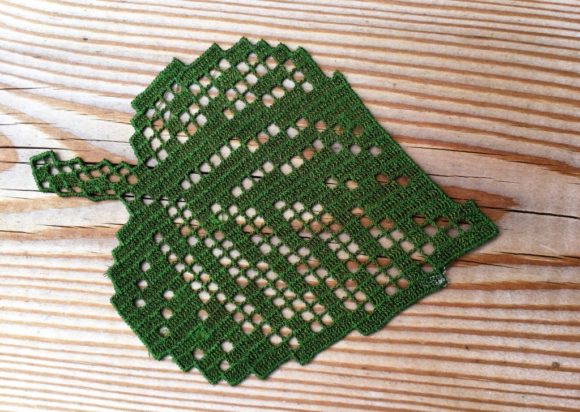
As an embroidery designer who has spent years digitizing and testing files for commercial use, I approach every new machine embroidery design with a critical eye. It is not just about aesthetics; it is about functionality, durability, and brand alignment. When I first loaded the Freestanding Lace Leaf into my software, my immediate impression was one of delicate sophistication. This splendid leaf embroidery design looks like a filet crochet pattern, offering a texture that feels both vintage and modern. For small business owners, this duality is a powerful asset. It does not scream for attention with bold, blocky fonts; instead, it whispers elegance, making it ideal for brands that value craftsmanship and subtle detail.
Visual Personality and Brand Alignment
The visual personality of the Freestanding Lace Leaf is distinctly refined. It falls squarely into the category of Single Flowers and botanical motifs, yet its openwork structure sets it apart from solid fill designs. For a boutique, a florist, or a high-end bakery, this design communicates a sense of handmade quality without appearing amateurish. It feels premium, airy, and organic. When considering your brand identity, ask yourself if your customer base appreciates intricate details. If your brand values transparency, lightness, and natural elements, this embroidery file is a perfect match. However, for industrial or heavy-duty brands, the delicate nature of lace might not convey the necessary strength or ruggedness.
Real-World Applications for Small Business Merch
The true test of any design is its versatility in real-world applications. I evaluated the Freestanding Lace Leaf across several common small business merch items to determine its viability.
- Embroidered Patches: This is perhaps the strongest use case. As a freestanding lace design, it creates a self-contained motif that can be sewn onto various surfaces. Imagine a small, intricate leaf patch on the sleeve of a denim jacket or the hem of a canvas tote. It adds a tactile, three-dimensional element that elevates the perceived value of the finished product.
- Apron Embroidery: For cafes and bakeries, staff uniforms are walking billboards. Placing this leaf design on the chest pocket or the lower corner of an apron adds a touch of artisanal charm. It suggests that the food or service provided is crafted with care, mirroring the intricacy of the stitch work.
- Tote Bag Design: Canvas bags are staples for retail shops. The open structure of the lace leaf allows the fabric texture to show through, creating a harmonious blend between thread and material. It works beautifully as a central focal point or as a repeating pattern element.
- Cap Embroidery: While possible, this requires caution. The curved surface of a cap can distort fine lace details. If used here, it should be placed on the side panel rather than the front crown to avoid visibility issues and structural distortion.
Technical Considerations and Production Notes
From a technical standpoint, working with freestanding lace requires precision. The description notes that this machine embroidery design comes with multiple emb... likely referring to multiple formats or sizes, which is crucial for scalability. However, before running a production batch, there are several critical steps you must take.
First, always check the stitch density. Lace designs rely on a balance between thread coverage and open space. If the density is too high, the piece becomes stiff and plastic-like; if too low, it lacks structural integrity. I recommend stitching a test sample on your intended stabilizer before committing to final goods. Water-soluble stabilizer is typically required for freestanding lace to provide temporary support during stitching, which is then washed away.
Second, consider thread colors. The filet crochet aesthetic shines best with monochromatic threads or subtle tonal variations. Using high-contrast colors can obscure the intricate pattern, turning a delicate leaf into a muddy blob. For a professional look, stick to creams, whites, soft greens, or muted earth tones that complement your custom apparel or accessory base color.
Third, verify the hoop size requirements. Since the product description mentions it is perfect for seasonal table or window decor, mug rug, or home decor, the design likely comes in sizes suitable for these items. Ensure your machine can accommodate the largest version if you plan to use it for larger decor pieces. For smaller applications like patches, you may need to resize the design, but be wary of shrinking it too much, which can cause thread breaks and loss of detail.
Where to Use Caution
While versatile, the Freestanding Lace Leaf is not universal. Avoid using it on items that undergo rigorous, high-frequency industrial washing, such as healthcare uniforms or heavy-duty workwear. The delicate bridges in lace designs can snag or fray under extreme abrasion. Additionally, avoid placing this design on highly textured fabrics like thick wool or corduroy unless it is applied as a separate patch. The uneven surface can interfere with the clean edges required for lace embroidery.
Also, be mindful of dark uniforms. While white lace on black fabric is striking, it highlights every imperfection. Any slight misalignment or thread tension issue will be visible. Always create a printable mockup and a physical proof on the exact fabric color before approving the design for client review.
Enhancing Customer Trust and Perceived Value
In the world of commercial embroidery, details matter. Using a sophisticated design like the Freestanding Lace Leaf signals to your customers that you invest in quality design assets. It differentiates your handmade product from mass-produced alternatives. When a customer sees the intricate, crochet-like texture of the leaf, they associate that level of care with the rest of your brand. This builds trust and encourages higher engagement, whether they are browsing your Etsy shop or visiting your physical store.
For digital embroidery file buyers, this design offers excellent ROI. It can be repurposed across multiple product lines—from home decor to wearable art—maintaining visual consistency while adapting to different mediums. This consistency strengthens brand recognition, making your merchandise instantly identifiable.
Final Designer Recommendations
Before integrating the Freestanding Lace Leaf into your product line, follow this checklist:
- Test in Black and White: Stitch a sample in black thread on white fabric and vice versa to inspect the clarity of the pattern.
- Check Small Patch Viability: Ensure the design remains legible and structurally sound when scaled down for small labels or tags.
- Review Licensing: Confirm the commercial licensing terms included with the digital embroidery file. Ensure you have the right to sell finished products made with this design.
- Inspect Spacing: Look for any areas where stitches are too close together, which could cause puckering, or too far apart, which could compromise durability.
- Compare with Brand Assets: Place the stitched sample next to your logo and other branding materials to ensure stylistic harmony.
The Freestanding Lace Leaf is a standout choice for businesses aiming to project elegance and artisanal quality. By understanding its technical needs and strategic applications, you can leverage this Embroidery design to create memorable, high-value merchandise that resonates with your audience. Remember, the best design is not just the prettiest one, but the one that performs reliably in the hands of your customers.