Review: 500 Faux Embroidery Mother’s Day Prompts
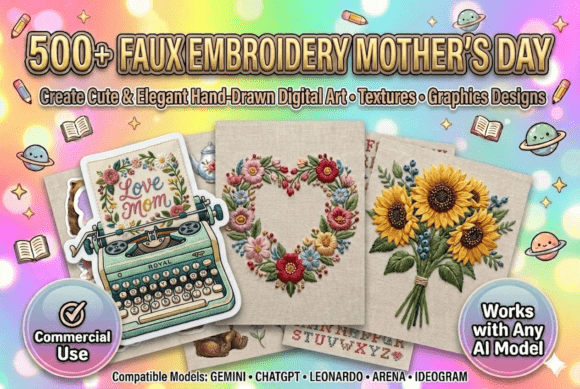
As an embroidery designer who spends countless hours digitizing and testing designs for boutique apparel, I am always on the lookout for resources that streamline the creative process without sacrificing quality. Recently, I explored 500 Faux Embroidery Mother s Day Prompts, a digital asset collection categorized under Illustrations and Graphics on Creative Fabrica. While my primary focus is physical stitching, the rise of high-quality faux embroidery effects in digital design has become undeniable for mockups, hybrid prints, and digital-only products. This review explores how this specific collection fits into a modern apparel workflow, particularly for those preparing seasonal collections.
First Impressions and Visual Personality
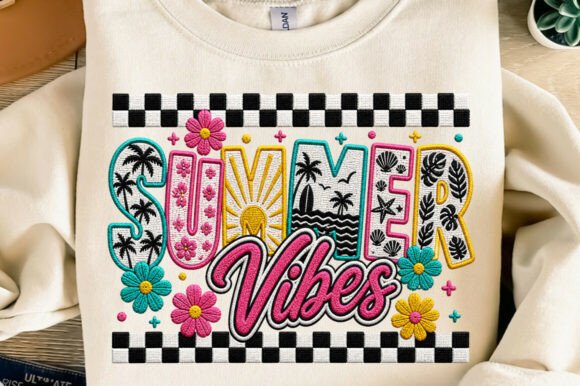
When I first opened the preview files for 500 Faux Embroidery Mother s Day Prompts, the immediate standout feature was the texture simulation. In the world of custom apparel, the line between digital print and physical stitch is blurring. These prompts are engineered to generate images that mimic the depth, shadow, and thread lay of real machine work. The visual personality leans heavily into a soft, tactile aesthetic that feels both premium and approachable.
The collection exudes a feminine, playful, yet classic vibe suitable for the spring season. For a boutique brand, consistency is key. These graphics offer a cohesive look that can tie together a entire product line. Whether you are aiming for a rustic, handmade feel or a clean, trendy minimal style, the variety within the 500 prompts allows for significant customization. The detail level is impressive, capturing the irregularities of thread that make faux embroidery look authentic rather than flat.
Application in Sweatshirt and Hoodie Collections
My primary test case for this review was a planned small-batch sweatshirt and hoodie collection for an online shop. Neutral sweatshirts and pastel hoodies are staples in my inventory, and they serve as excellent canvases for textured designs. Here is how I envision using 500 Faux Embroidery Mother s Day Prompts across different garment types:
- Sweatshirt Embroidery Simulation: On heavy cotton fleece, a true machine embroidery design can sometimes cause puckering if the stitch density is too high. Using these faux embroidery graphics for direct-to-garment (DTG) printing or heat transfer allows customers to enjoy the look of intricate stitching without the physical bulk. It is ideal for large back designs where traditional embroidery would be prohibitively expensive or stiff.
- Hoodie Chest Placement: For left-chest logos or small motifs, the prompts generate compact, high-impact visuals. They work beautifully on dark apparel, provided the generated image has sufficient contrast. The 3D stitching effect adds a layer of sophistication that elevates a basic hoodie into a statement piece.
- Sleeve Accents and Back Designs: The versatility of the collection means you can generate long, vertical elements for sleeve accents or expansive, detailed scenes for full-back prints. This flexibility is crucial for creating unique small shop product lines that stand out from generic retail offerings.
Expanding Beyond Apparel: Totes and Accessories
While my focus is often on clothing, the utility of 500 Faux Embroidery Mother s Day Prompts extends to other merchandise. Tote bags, for instance, benefit greatly from the durable appearance of embroidered art. A canvas tote with a faux-embroidered floral motif looks sturdy and artisanal. Similarly, these graphics are perfect for creating lifestyle product photos. As an Etsy seller, having high-resolution printable mockup assets that look like finished embroidery can significantly boost click-through rates. Customers are drawn to the perceived value of handcrafted details, even if the final product is a high-quality print.
Strategic Placement and Fabric Considerations
Even though these are digital prompts for generating graphics, understanding fabric behavior is essential when applying these designs to real-world products. If you are using these images for sublimation or DTG, you must consider how the "stitched" look interacts with the fabric texture.
For stretchy fabrics like ribbed cuffs or lightweight jersey t-shirts, a dense, realistic embroidery graphic can look visually heavy. I recommend using the simpler, more minimal prompts from the collection for these areas. Conversely, on structured items like denim jackets or heavy oversized garments, you can leverage the most complex, high-detail prompts. The visual weight of the design balances the heaviness of the fabric.
One critical area to watch is curved surfaces. On a fitted hoodie or a rounded shoulder seam, a large, rigid-looking embroidery graphic might appear distorted in photos. Always test your generated designs on similar garment fabrics to ensure the illusion holds up from all angles. Dark garments require careful attention to thread color contrast in the prompt generation phase; ensure the AI outputs bright or metallic tones that pop against black or navy backgrounds.
Enhancing Brand Identity and Buyer Trust
In the competitive landscape of commercial embroidery and printed apparel, brand identity is everything. Using a specialized tool like 500 Faux Embroidery Mother s Day Prompts helps maintain visual consistency. When a customer visits your shop, seeing a cohesive theme across your sweatshirts, totes, and social media graphics builds trust. It signals professionalism and attention to detail.
Moreover, these graphics can enhance the perceived value of your handmade product line. Even if you are selling digital files or printed goods, the aesthetic of embroidery suggests labor, skill, and quality. This psychological cue can justify higher price points and encourage customer engagement. For digital sellers, offering these as part of a bundle with actual embroidery file options can cater to both DIY crafters and those who prefer ready-to-wear items.
Practical Designer Notes and Licensing
Before integrating any new asset into your production line, due diligence is required. Although 500 Faux Embroidery Mother s Day Prompts is a digital graphic resource, treating it with the same rigor as a physical digital embroidery file is wise. Here are my practical notes for designers:
- Test on Scrap Fabric: If you are transferring these designs onto fabric via heat press or screen printing, always run a test on scrap material. Check how the ink sits on the fiber and whether the "texture" of the graphic translates well.
- Check Stabilizer and Hoop Size Analogies: While you are not hooping these, think about the scale. Does the design fit within standard hoop size limitations if you were to ever digitize it? This helps keep your designs practical for potential future hybrid projects.
- Review Thread Color Contrast: When generating images from the prompts, pay close attention to color separation. Ensure that the simulated thread colors distinguish clearly from the garment color.
- Verify Licensing: Always check the Creative Fabrica product details and licensing terms before selling finished apparel. Confirm that commercial use is permitted for physical goods, not just digital downloads.
- Inspect Detail Level: Some AI-generated details may be too fine for certain printing methods. Simplify if necessary to ensure the design remains crisp and readable at a distance.
In conclusion, 500 Faux Embroidery Mother s Day Prompts is a valuable resource for the modern apparel decorator. It bridges the gap between traditional craftsmanship and digital efficiency. By understanding how to apply these visuals strategically across sweatshirts, hoodies, and accessories, you can create a compelling, high-value collection that resonates with customers seeking the warmth and charm of embroidered aesthetics. Whether you are an experienced embroidery shop owner or a budding creative entrepreneur, this tool offers a fresh perspective on seasonal design.