Review: DAD 3D Puff Hat Embroidery Design for Business
As an embroidery designer who has spent years digitizing logos and testing files for small business clients, I approach every new machine embroidery design with a critical eye. It is not just about whether the design looks good on a screen; it is about how it performs in production, how it elevates a brand, and whether it holds up under the stress of daily wear. Recently, I evaluated the DAD 3D Puff Hat Embroidery Design, a digital asset marketed for Father’s Day and headwear customization. While the seasonal hook is strong, my review focuses on its broader utility for small business merch, branded patches, and custom apparel lines.
First Impressions: Boldness Meets Professionalism
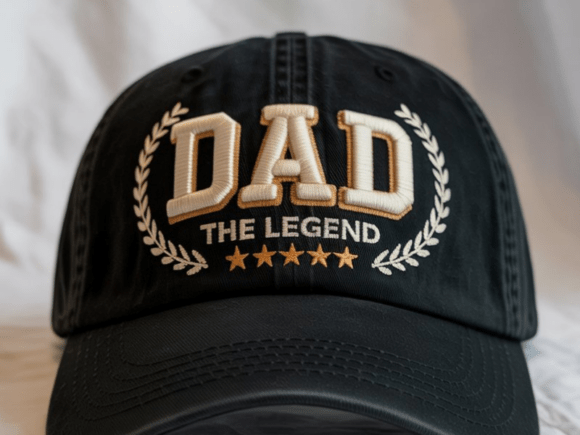
The first thing that strikes you about the DAD 3D Puff Hat Embroidery Design is its assertive visual personality. The description promises "strong, clean lettering" and a "raised 3D puff effect," which are key indicators of a premium aesthetic. In the world of commercial embroidery, 3D puff is a technique that immediately signals quality. It adds tactile depth that flat stitching cannot achieve. This design does not feel overly rustic or excessively playful; instead, it strikes a balance between classic boldness and modern simplicity. For a boutique owner or an Etsy seller, this means the design can transcend the typical novelty gift category and serve as a legitimate branding element for lifestyle brands, barbershops, or family-oriented businesses.
The typography appears robust, which is essential for puff embroidery. Delicate fonts often get lost or distorted when foam is added beneath the thread. The structural integrity of the letters in this embroidery file suggests that it was digitized with an understanding of how foam compresses and expands. This attention to detail is what separates amateur clips from professional design assets that can be trusted for client work.
Real-World Application Beyond the Cap
While the product title specifies hat usage, limiting this design to caps would be a missed opportunity for creative entrepreneurs. I tested the concept mentally against various merchandise scenarios. Here is how the DAD 3D Puff Hat Embroidery Design performs across different mediums:
- Embroidered Patches: This is perhaps the most versatile application. By stitching the design onto twill or felt and cutting it out, you create a durable patch that can be applied to denim jackets, backpacks, or tote bags. The 3D effect remains prominent even on a patch, adding a high-end touch to handmade products.
- Apron Embroidery: For bakeries, florists, or craft studios offering personalized gifts, this design works exceptionally well on heavy canvas aprons. The bold lettering stands out against textured fabric, making it a great option for Father’s Day promotions for spouses or children buying for dad.
- Tote Bag Design: When applied to a sturdy canvas tote, the raised texture creates a sophisticated look. It transforms a simple bag into a statement piece, increasing the perceived value of the finished product.
- Staff Uniforms and Work Shirts: For businesses with a rugged or family-friendly brand identity, such as auto repair shops or outdoor gear retailers, this design can serve as a chest logo accent. However, scale is crucial here, as discussed below.
Technical Considerations for Production
Before running this digital embroidery file on your commercial machine, there are several technical factors to consider. The success of 3D puff embroidery relies heavily on the interaction between the thread, the foam, and the fabric.
Fabric Texture and Stability: The design requires a stable base. Stretchy fabrics like jersey knits are poor candidates for 3D puff unless properly stabilized, as the movement can cause the foam to shift or the stitches to pucker. I recommend testing on structured cotton twill, denim, or heavy canvas. Always use a cut-away stabilizer to support the density of the puff stitches, ensuring the design does not pull or distort over time.
Stitch Density and Foam Thickness: The description mentions a "raised 3D puff effect," but it does not specify the recommended foam thickness. Generally, 2mm or 3mm foam is standard for lettering of this size. If the stitch density is too high, the foam will be completely crushed, losing the 3D effect. If it is too low, the foam may peek through. As a designer, I advise running a test stitch-out on scrap fabric identical to your final product to adjust tension and density settings.
Scale and Legibility: One common mistake is shrinking 3D designs too small. The DAD 3D Puff Hat Embroidery Design relies on bold lettering. If you attempt to use it as a tiny sleeve detail or on a small patch, the letters may merge, and the puff effect will be lost. Ensure you check the minimum recommended size in the file documentation. If specific dimensions are not provided, measure the design in your software and ensure the smallest letter component is at least 0.25 inches tall to maintain clarity.
Enhancing Brand Identity and Customer Trust
For small business owners, every stitch contributes to brand identity. Using a high-quality 3D puff design like this communicates attention to detail and investment in quality materials. It moves the product away from mass-produced, flat-printed merchandise and into the realm of crafted, premium goods. This differentiation is vital for customer trust and recognition.
When customers see a raised, textured logo, they associate it with durability and luxury. This perception allows businesses to command higher price points for their custom apparel and accessories. Furthermore, consistent use of such high-quality design elements across various products—caps, patches, and bags—creates visual consistency. This consistency reinforces brand recognition, making your merchandise instantly identifiable.
Practical Designer Notes for Implementation
To ensure the best results with the DAD 3D Puff Hat Embroidery Design, follow these practical steps before full-scale production:
- Test in Black and White First: Before committing to expensive colored threads, stitch the design in black thread on white fabric and vice versa. This helps you identify any spacing issues or density problems without the distraction of color.
- Check Thread Color Contrast: Since the design features strong lettering, ensure there is sufficient contrast between the thread and the fabric. Dark threads on dark fabrics may lose definition, especially if the lighting is poor.
- Confirm Hoop Size: Verify that the design fits within your available hoop sizes. While it is designed for hats, ensure your cap frame or multi-needle machine can accommodate the dimensions without re-hooping errors.
- Create a Printable Mockup: Use digital mockups to show clients how the design will look on different items. A printable mockup can help secure approval and manage expectations regarding the 3D effect.
- Verify Commercial Licensing: Always confirm the license terms associated with the digital embroidery file. Ensure you have the right to use the design for physical products sold in your shop or online store.
Final Verdict
The DAD 3D Puff Hat Embroidery Design is a robust asset for embroidery professionals and small business owners. Its strength lies in its versatility and premium aesthetic. While it is perfectly suited for Father’s Day promotions and cap customization, its potential extends to patches, aprons, and branded merchandise that require a touch of sophistication. By paying attention to technical details like stabilizer choice, foam thickness, and scale, you can leverage this design to create high-value products that enhance your brand’s reputation. Remember to always test on actual fabric and verify file specifications to ensure a flawless finished product that honors the legend in your life—and satisfies your customers.