Reviewing Embroidery Christmas Backgrounds for Real Projects
As a designer who has spent countless hours digitizing patterns and troubleshooting thread breaks, I approach new design assets with a healthy dose of skepticism. We have all been there: you download a digital embroidery file that looks stunning on the screen, only to find it turns into a tangled mess of jumps and poorly optimized paths once it hits the machine. That is why I took a close look at Embroidery Christmas Backgrounds to determine if these assets hold up in a real-world production environment. This is not just about pretty pictures; it is about how these graphics translate into tangible, high-quality handmade products for your customers.
First Impressions and Visual Mood
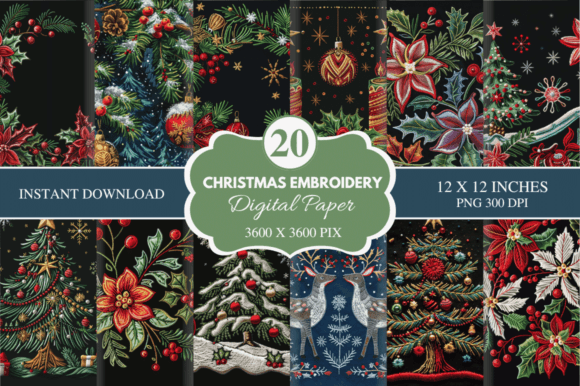
The first thing that strikes you when reviewing Embroidery Christmas Backgrounds is the versatility of the theme. Holiday designs often fall into two traps: they are either overly cluttered with too many details that confuse the needle, or they are so simplistic that they lack character. These backgrounds strike a balance. They evoke a cozy, festive mood without screaming for attention. For an experienced eye, this subtlety is crucial. It means the design can serve as a supporting element in a larger composition or stand alone as a minimalist statement piece.
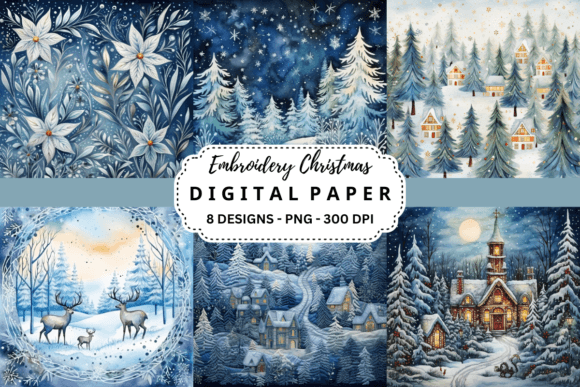
Since the product description specifies that you will receive 8 individual PNG files at high quality 300 DPI with dimensions of 3600 x 3600 pixels, we are dealing with raster graphics rather than vector-based stitch files. This distinction is vital. These are design assets intended for visual layout, mockups, and print applications, rather than direct machine instruction files. For a craft business owner, this opens up different avenues for use, particularly in branding and digital presentation.
Real-World Application: The Custom Tote Bag Scenario
To test the practical value, I imagined a common scenario for an Etsy seller: creating a line of holiday-themed tote bags. Imagine a canvas tote where you want to apply a heat-transfer vinyl (HTV) design or a sublimation print based on these backgrounds. The high resolution ensures that when you scale the image down to fit a standard 10x10 inch hoop area or a bag panel, the edges remain crisp. There is no pixelation, which is essential for maintaining a professional look.
If you are using these as references for manual digitizing, the clear lines and distinct shapes make it easier to trace paths for satin stitch borders or fill stitch areas. The visual personality of these backgrounds suggests they would pair beautifully with natural fabrics like linen or heavy cotton. The organic feel of the Christmas motifs complements the texture of the fabric, creating a personalized gift that feels thoughtful and high-end. A customer receiving a tote bag with this level of visual coherence is far more likely to leave a positive review and return for future purchases.
Strategic Use in Apparel and Home Decor
Beyond tote bags, these graphics are excellent for planning custom apparel. Consider a holiday sweatshirt. Instead of stitching the entire background, which could be dense and stiff, you might use one of these PNGs as a guide for placement embroidery. You could stitch key elements using thread colors that contrast nicely against the garment, while leaving the negative space open to maintain the softness of the fabric. This approach reduces stitch density, preventing the dreaded "cardboard effect" on wearable items.
For home decor, such as pillow covers or kitchen towels, these backgrounds work well as full-print sublimation designs. If you are running a small shop product line, having consistent holiday embroidery themes across different items helps build brand recognition. Whether it is a nursery decor item for a baby shower or a festive apron for a hostess gift, the cohesive look provided by these assets elevates the perceived value of the finished product.
Navigating Technical Limitations
It is important to address where caution is needed. Since these are PNG graphics and not native machine files, you cannot simply load them into your embroidery machine. You must use them as references or for print-based applications. If you intend to convert these into an applique design or a fully stitched pattern, you will need to digitize them manually or use auto-digitizing software with careful cleanup.
When working with textured fabrics or stretchy materials like caps, detailed backgrounds can be problematic. Small details may get lost in the fabric pile or distort during washing. Therefore, if you are adapting these backgrounds for embroidered patch creation or cap embroidery, simplify the design. Focus on the main shapes and reduce the complexity. Always test the design on scrap fabric first. Check how the stabilizer interacts with the material and ensure that the hoop size you choose accommodates the design without excessive trimming or re-hooping.
Enhancing Brand Consistency and Sales
One of the most underrated uses for high-quality PNGs like Embroidery Christmas Backgrounds is in marketing. As an Etsy seller or creative entrepreneur, your product photos are your storefront. Using these backgrounds in your printable mockup templates can create a cohesive social media presence. When a potential buyer sees a consistent aesthetic across your Instagram posts and product listings, it builds trust. It signals that you are a professional who pays attention to detail.
Furthermore, these assets can be used to create digital products themselves, such as printable wall art or greeting cards, expanding your revenue streams beyond physical commercial embroidery items. This diversification is key for sustaining a small business during seasonal peaks. By leveraging these graphics for both physical product inspiration and digital marketing, you maximize the return on your investment.
Practical Designer Notes for Best Results
Before you integrate Embroidery Christmas Backgrounds into your workflow, keep these practical tips in mind:
- Verify Licensing: Always confirm the license terms before selling finished items or digital products derived from these graphics. Commercial use rights vary, and clarity here protects your business.
- Test Color Contrast: Use the PNGs to test different thread color combinations in your design software. What looks good on screen may need adjustment for actual thread availability.
- Mockup Testing: Place the graphics on black and white backgrounds in your editing software to ensure visibility and impact across different fabric colors.
- Check Detail Levels: If digitizing from these images, zoom in to inspect small corners and curves. Tiny lettering or intricate details may need to be enlarged or simplified to stitch out cleanly.
- Fabric Compatibility: Remember that these are visual guides. Consider the fabric texture of your final product. A design that looks sharp on smooth cotton may need adjustment for fluffy fleece or textured linen.
In conclusion, Embroidery Christmas Backgrounds offers a solid foundation for holiday-themed projects. While they are not ready-to-stitch files, their high resolution and aesthetic appeal make them valuable tools for designers, marketers, and makers. By understanding their strengths and limitations, you can use them to create standout small shop products that resonate with customers and enhance your brand's holiday presence.