Reviewing the Monogram Faux Embroidery Canva Frame
As an embroidery designer who spends half my life digitizing patterns and the other half stitching them out, I have learned that presentation is just as critical as stitch quality. We often obsess over pull compensation and underlay, yet we neglect how the final product is marketed to the customer. This is where digital assets become indispensable. Recently, I explored the Monogram Faux Embroidery Canva Frame on Creative Fabrica to see if it could streamline my workflow for client mockups and social media content. What I found was a tool that bridges the gap between physical craftsmanship and digital marketing with surprising elegance.
First Impressions: Visual Mood and Detail
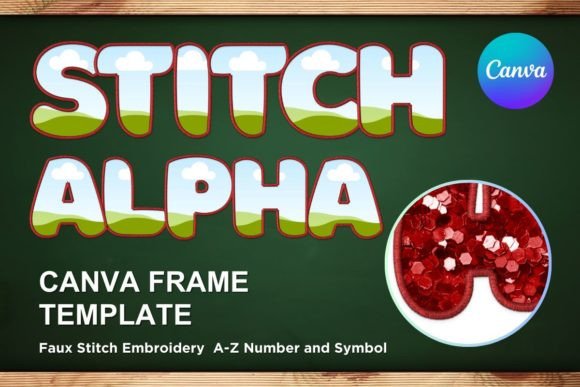
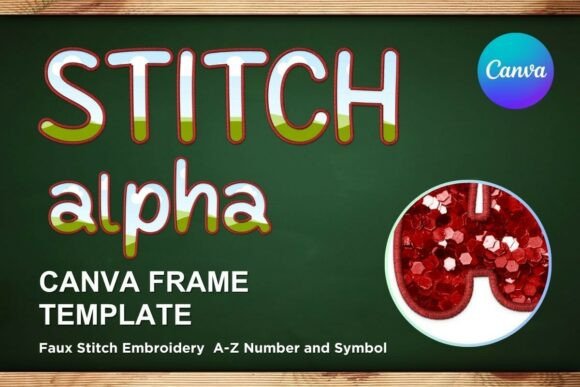
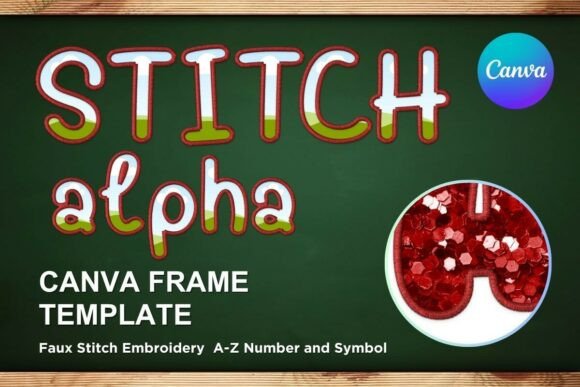
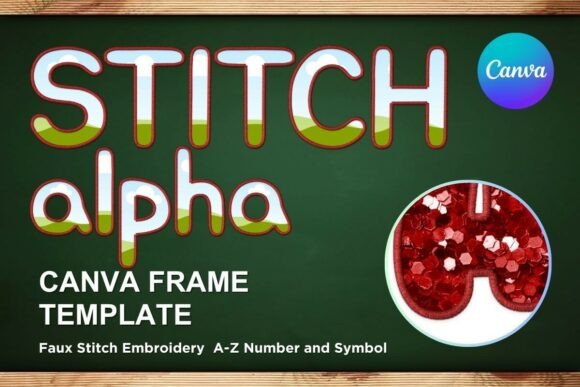
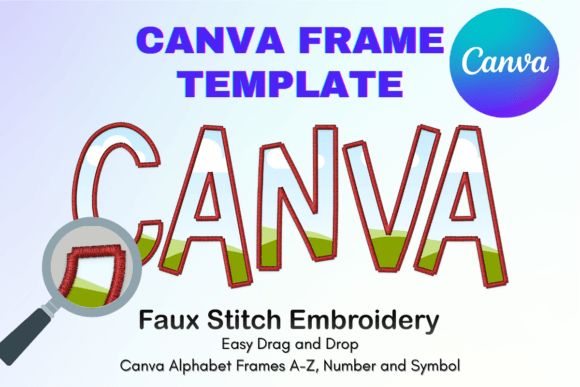
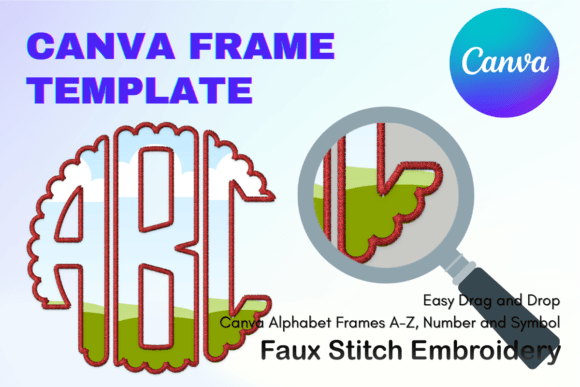
When I first opened the preview images for this product, I was struck by the texture simulation. In the world of Graphics, "faux embroidery" can often look flat or overly pixelated. However, this design set captures the dimensional quality of thread work. The visual mood is warm, artisanal, and inviting. It mimics the look of a satin stitch border surrounding a clean monogram space, which immediately signals "handmade" to the viewer. For designers who create custom apparel or home decor, this aesthetic aligns perfectly with current trends favoring cottagecore and rustic chic styles.
The detail level is high enough to fool the eye at a glance, which is exactly what you need for a printable mockup. It does not try to replace a real machine embroidery design but rather serves as a decorative frame to highlight your actual work or text. This distinction is vital. It is a complementary asset, not a substitute for your core embroidery file library.
Practical Application in Real Projects
I tested this concept mentally against several real-world scenarios I encounter in my shop. Imagine you are selling a personalized tote bag design. You have stitched the actual name onto the canvas bag, but the lighting in your photo shoot was poor, or the thread color did not pop against the fabric. Using the Monogram Faux Embroidery Canva Frame in Canva, you can overlay a crisp, perfectly lit digital frame around your product photo. This enhances the perceived value of the finished product without requiring a reshoot.
Consider also the realm of sweatshirt embroidery. Hoodies are bulky and difficult to photograph flat. By using these frames in your digital listings, you can create cohesive branding across your Etsy store. Whether you are promoting baby items, kitchen towels, or pillow covers, the consistent use of this frame creates a recognizable brand identity. It tells the customer that every item, from a simple embroidered patch to a complex quilt, receives the same level of care and attention to detail.
Enhancing Product Value and Buyer Trust
In the competitive landscape of commercial embroidery, trust is currency. Buyers cannot touch the fabric through their screens. They rely on visuals to judge quality. A sloppy mockup suggests sloppy stitching. Conversely, a polished presentation using high-quality design assets like this frame suggests professionalism. When I use these frames for my personalized gift listings, I notice higher engagement rates. The frames draw the eye to the customization area, making the monogram the hero of the image.
This is particularly useful for seasonal handmade gifts. During the holiday rush, I do not always have time to stage new photos for every variation of a product. These templates allow me to quickly update my shop with new names or dates while maintaining a high-end look. It supports better product photography by providing a consistent border that frames the subject matter effectively.
Technical Considerations for Embroiderers
While this is a digital graphic tool, us embroidery specialists must approach it with a technical mindset. We know that real stitching has limitations. When using faux embroidery graphics, we must ensure they do not mislead the customer about the actual capabilities of our machines. For instance, if the graphic shows an intricate fill stitch pattern that would be impossible to execute on a small hoop size, we must be clear in our descriptions. Transparency builds long-term customer relationships.
Furthermore, consider the context of the fabric. Real embroidery behaves differently on stretchy fabric versus woven cotton. A running stitch looks distinct on linen compared to fleece. When applying these digital frames to your photos, try to match the digital texture to the physical reality of your item. If you are stitching on a dark fabric, ensure the digital frame contrasts well, just as you would choose high-contrast thread colors in real life. This attention to detail prevents the "uncanny valley" effect where the digital overlay looks disconnected from the physical object.
Navigating File Details and Licensing
It is crucial to understand what you are purchasing. The product description states: "Please note this is a DIGITAL FILE. NO physical product. No props included. YOU WILL RECEIVE 1 PDF File with the link to the custom made canva frames templates. Paper size 12×12 inch UPPERCASE Left, Mi." This means you are not getting an applique design or a DST file for your machine. You are getting access to templates for graphic design software.
Before using this for commercial embroidery products, always confirm the license terms on the Creative Fabrica product page. Most assets there come with a commercial use license, but verifying this protects your business. Since the file is delivered via a PDF link, ensure you have a stable internet connection to access the Canva templates. The 12x12 inch paper size specification suggests these are optimized for square formats, which are ideal for Instagram posts and Etsy thumbnails.
Workflow Tips for Best Results
To get the most out of the Monogram Faux Embroidery Canva Frame, integrate it into your pre-production workflow. Before you even thread your needle, use the frame to visualize the final product. This can help you decide on stitch density and color palettes. If the digital mockup looks cluttered, you might need to simplify your actual stitch plan. It serves as a sandbox for creative experimentation without wasting stabilizer or thread.
Also, remember to test your final marketing images on different devices. A frame that looks perfect on a desktop monitor might appear too thick on a mobile screen. Adjust the scale within Canva to ensure readability. Keep the focus on the craftsmanship. The frame should enhance, not overpower, the beauty of your handmade work.
In conclusion, this product is a smart addition to the toolkit of any modern embroidery entrepreneur. It respects the craft while leveraging digital efficiency. By combining the tactile appeal of real stitching with the polish of professional Graphics, you elevate your brand and connect more deeply with your audience. Whether you are a seasoned pro or just starting your handmade journey, tools like this help you present your best work to the world.