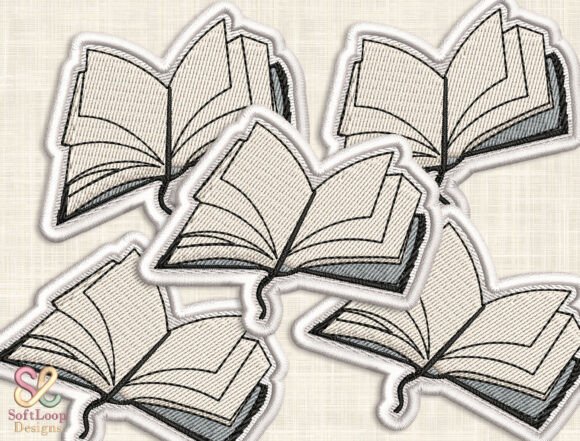
Reviewing the Open Book Embroidery Design for Craft Fairs
As an embroidery designer who has spent countless weekends behind a booth table, I know that success at a craft fair isn't just about having pretty items. It is about having products that stop traffic, communicate a clear message instantly, and offer tangible value to the buyer. When I first pulled up the OPEN BOOK Patch Embroidery Design on my digitizing software, I was looking for more than just aesthetic appeal. I was evaluating its potential as a high-converting craft fair product. This design, described as bringing a touch of calm, creativity, and intellect to projects, immediately struck me as a versatile asset for any small shop product lineup.
First Impressions: Elegance Meets Intellect
The initial visual impact of this machine embroidery design is one of refined simplicity. In a market saturated with loud, overly complex graphics, the open book motif offers a breath of fresh air. It feels elegant, modern, and slightly rustic, appealing to a demographic that values literacy, quiet moments, and handmade quality. For Etsy sellers and boutique makers, this aesthetic is gold. It does not scream for attention; instead, it invites the viewer in. The description notes a beautifully illustrated open book, which suggests clean lines and balanced composition. This is crucial because, in a busy fair environment, customers need to understand what they are looking at within three seconds. This design passes that test effortlessly.
Strategic Product Placement for Maximum Sales
To truly evaluate the commercial viability of this embroidery file, I imagined setting up my display table. Where would this design perform best? The versatility of the open book theme allows it to shine across various textiles, but some applications are stronger than others.
- Tote Bags: This is arguably the strongest candidate. A canvas tote featuring this design becomes an instant statement piece for librarians, teachers, and students. As a tote bag design, it serves both function and identity. The flat surface of a tote allows the details of the book illustration to remain crisp and visible from a distance.
- Aprons and Tea Towels: For the home goods section, apron embroidery and tea towel embroidery using this motif create a cohesive "quiet kitchen" or "reading nook" vibe. These items make excellent impulse buys for gift shoppers looking for something thoughtful yet practical.
- Embroidered Patches: If you are targeting a younger demographic or those who customize their own gear, turning this into an embroidered patch is a smart move. Patches are low-commitment purchases that allow customers to engage with your brand without buying a large item.
- Caps and Pouches: While possible, these require more caution. The curved surface of a cap can distort detailed illustrations, and small pouches may limit the size of the design, potentially losing clarity.
Production Practicality and Batch Efficiency
From a production standpoint, time is money. When preparing for a fair, I need designs that are repeatable and reliable. This OPEN BOOK Patch Embroidery Design appears to be well-suited for batch production. The lines seem clean, which suggests that the stitch density is likely balanced—not so dense that it causes puckering, but sufficient to provide good coverage. For commercial embroidery purposes, this balance is vital. It means I can run multiple hoops in a row without constant trimming or re-hooping issues, assuming the digitizing is professional.
Photography is another critical factor. This design photographs exceptionally well for online listings. The contrast of thread against fabric creates natural shadows and depth, making it ideal for creating a printable mockup or high-quality social media content. For digital embroidery file sellers, having a design that looks as good in photos as it does in person is a significant competitive advantage.
Technical Considerations and Careful Use
However, no design is without its challenges. As an experienced designer, I must point out areas where caution is needed. The description mentions "beautifully illustrated" elements, which often implies finer details. Here are my technical notes for using this Work category design effectively:
- Fabric Texture: Avoid highly textured towels or rough burlap if the design includes fine lines. The fabric texture can swallow small stitches, making the book illustration look muddy. Smooth cotton or canvas is preferred.
- Thread Colors: Contrast is key. If stitching on dark fabric, ensure you use light, bright thread colors to maintain visibility. Conversely, on white tote bags, deep navy or black thread will pop. Test your combinations before committing to a full batch.
- Stabilizer Selection: Because books imply structure, you want the embroidery to lie flat. Use a cut-away stabilizer for stretchy fabrics like t-shirts or caps, and a tear-away for stable woven fabrics like tote bags. Proper stabilization prevents the design from warping after washing.
- Hoop Size: Always check the recommended hoop size before purchasing or producing. Ensure the design fits comfortably within your standard hoops to avoid re-hooping mid-stitch, which can cause alignment errors.
Enhancing Brand Value and Customer Engagement
Ultimately, the goal of using this OPEN BOOK Patch Embroidery Design is to enhance the perceived value of your handmade product. An embroidered item carries a weight of craftsmanship that printed goods simply cannot match. When a customer picks up a tote bag with this design, they feel the texture of the threads. They see the precision of the stitches. This tactile experience builds trust in your brand consistency and quality.
In a booth display, this design acts as an anchor. It signals that your shop is curated and thoughtful. It attracts buyers who identify as readers, writers, or intellectuals, creating an immediate emotional connection. This engagement translates to sales. Furthermore, by offering this design across multiple product types—from patches to pillows—you create a cohesive collection that encourages multiple purchases.
Final Designer Notes for Implementation
Before you launch this design into your finished product lineup, take these final steps. First, always test the design on scrap fabric identical to your final product material. Check for any loose threads or jumps that need trimming. Second, verify the commercial licensing terms. Since this is a digital embroidery file, ensure you have the right to sell physical items made with it. Most designers allow this, but it is essential to confirm.
Create at least one real mockup to gauge the scale. Does the book look too small on a pocket? Too large on a pouch? Adjust your scaling accordingly. Finally, consider the context of Embroidery as a craft. This design respects the medium by utilizing its strengths—texture, durability, and classic appeal. By treating the OPEN BOOK Patch Embroidery Design with the care it deserves, you transform a simple digital asset into a standout star of your craft fair booth.