Rose and Flowers: A Designer’s Review for Small Business Merch
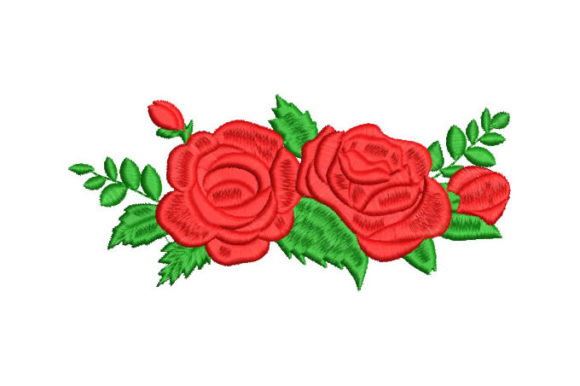
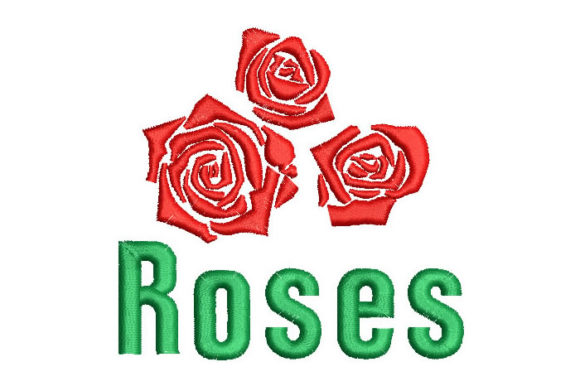
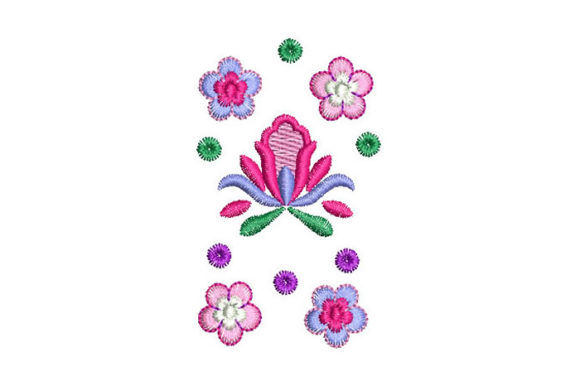
As an embroidery designer who has spent years digitizing files and consulting with small business owners, I approach every new machine embroidery design with a critical eye. It is not enough for a pattern to simply look pretty on a screen; it must perform under the needle, hold up to washing, and serve a strategic purpose for the brand using it. Recently, I reviewed Rose and Flowers, a vibrant addition to the Bouquets category, to determine its viability for commercial use. This review is tailored for embroidery shops, apparel decorators, handmade brands, and Etsy sellers looking to elevate their small business merch with professional-grade assets.
First Impressions: Visual Personality and Brand Fit
The initial appeal of Rose and Flowers lies in its description as "colorful and pretty." In the world of digital embroidery file selection, these adjectives suggest a design that leans towards the friendly, decorative, and approachable side of the spectrum. For businesses in the lifestyle, home decor, or boutique retail sectors, this visual personality is invaluable. It does not scream corporate rigidity; instead, it whispers warmth and craftsmanship.
When evaluating this design for brand identity, consider how these floral elements align with your customer base. If you run a local bakery, a florist shop, or a handmade jewelry studio, the organic shapes of roses and flowers can soften your brand image, making it feel more accessible and human. However, for industrial or high-tech brands, this aesthetic might feel too soft. The key is matching the design’s inherent elegance and playfulness with the right market niche. As a handmade product enhancer, it promises to add a layer of perceived value that printed graphics often lack.
Real-World Applications for Commercial Embroidery
The true test of any embroidery file is its versatility across different substrates and products. Here is how Rose and Flowers performs in real business scenarios:
- Embroidered Patches: This is perhaps the strongest use case. Floral designs translate beautifully into iron-on or sew-on patches. You can create a line of merchandise featuring these blooms on denim jackets, canvas totes, or laptop bags. The "colorful" nature of the design allows for creative thread choices, making each patch a unique finished product.
- Apron Embroidery: For cafes, bakeries, and craft studios, branded aprons are walking advertisements. Placing Rose and Flowers on the chest pocket or lower corner of an apron adds a touch of sophistication. It signals to customers that the staff cares about details, enhancing trust and professionalism.
- Tote Bag Design: Canvas tote bags are staples for eco-conscious brands. A large-scale version of this floral bouquet can serve as the primary graphic on a bag, turning a simple utility item into a fashionable accessory. Ensure the stitch density is appropriate for canvas to prevent puckering.
- Cap Embroidery: While complex florals can be tricky on curved surfaces, a simplified or scaled-down version of Rose and Flowers can work beautifully on the side panel or back of a dad hat. It offers a subtle branding opportunity that feels less aggressive than a large front logo.
- Home Decor Accents: As suggested by the product description, this design is ideal for bedsheets, decorative pillows, and curtains. For interior designers or home goods sellers, offering custom-embroidered pillowcases with this motif can command a higher price point due to the labor and artistry involved.
Technical Considerations and Production Challenges
While the aesthetic potential is high, practical execution requires careful planning. As a designer, I always advise testing before full production. Here are the critical technical factors to consider when working with Rose and Flowers:
- Stitch Density and Fabric Texture: Floral designs often involve satin stitches for petals and fill stitches for leaves. If the stitch density is too high, it can cause stiffening or puckering, especially on lightweight fabrics like cotton sheets or silk. Always test on the actual fabric texture you intend to use. For delicate materials, a cut-away stabilizer is non-negotiable to support the weight of the threads.
- Size and Detail Retention: Be cautious when scaling down. Intricate flower details can get lost if the design is shrunk below a certain threshold, such as on a small chest logo or a tiny patch. If the outlines become too close together, they may merge during stitching. Create a printable mockup at actual size to check legibility before hooping.
- Thread Color Contrast: The description mentions "multi" colors. Ensure your thread palette has sufficient contrast against the garment color. For example, pastel roses may disappear on white aprons. Consider outlining elements with a slightly darker shade to define shapes, or choose bold thread colors for dark uniforms to ensure visibility.
- Hoop Size Constraints: Verify the required hoop size against your machine’s capabilities. If the design is large, you may need a multi-position hoop or a larger machine. Never assume compatibility; check the specific file details provided by the seller.
Enhancing Brand Identity and Customer Trust
Incorporating Rose and Flowers into your custom apparel or merchandise line is not just about decoration; it is a strategic branding move. Embroidery conveys permanence and quality. When a customer receives a tote bag or shirt with raised, textured floral embroidery, they perceive the item as premium. This tactile experience fosters emotional connection and brand loyalty.
For Etsy sellers and crafters, using consistent design assets like this floral motif across various products creates visual consistency. Whether it is on a thank-you card tag, a packaging ribbon, or the product itself, the repeated use of Rose and Flowers builds recognition. It tells a story of care and attention to detail, which is crucial for competing in saturated markets like handmade goods and boutique retail.
Practical Designer Notes for Implementation
Before you commit to purchasing or producing with this machine embroidery design, follow these steps to ensure success:
- Test in Black and White: Before investing in multiple thread colors, stitch out the design in black thread on white fabric. This reveals the structural integrity of the digitizing, highlighting any gaps, overlaps, or density issues without the distraction of color.
- Check Commercial Licensing: Always confirm the license terms. Since you are using this for commercial embroidery and selling finished goods, ensure the file includes a commercial use license. Do not assume; read the fine print.
- Create Client Mockups: If you are a decorator working with clients, use digital tools to place Rose and Flowers on photos of their actual products. A printable mockup helps manage expectations and secures approval before you start stitching.
- Evaluate Wash Durability: If the end product is an apron or bedsheet, it will be washed frequently. Test a sample through multiple wash cycles to ensure the threads do not fray or the fabric does not pucker excessively around the design.
In conclusion, Rose and Flowers offers significant potential for small businesses looking to add a touch of elegance and warmth to their merchandise. By understanding its visual personality, respecting technical limitations like stitch density and hoop size, and strategically applying it to items like patches, aprons, and totes, you can create high-value products that resonate with customers. Always prioritize testing and proper stabilization to ensure the final result reflects the professionalism of your brand.