Amaryllis Single Stitch Pattern Review
As an embroidery designer who has spent years digitizing for both high-volume commercial runs and intimate boutique collections, I approach every new machine embroidery design with a critical eye. It is not just about whether the file opens correctly; it is about how that design translates onto fabric, how it feels to the touch, and ultimately, how it sells. Recently, I had the opportunity to test the Amaryllis Single Stitch Pattern for a limited-edition sweatshirt drop for a small online shop. The goal was simple: create a premium, spring-ready aesthetic that feels effortless yet intentional. Here is my professional evaluation of this design from concept to finished product.
First Impressions: Mood and Aesthetic Appeal
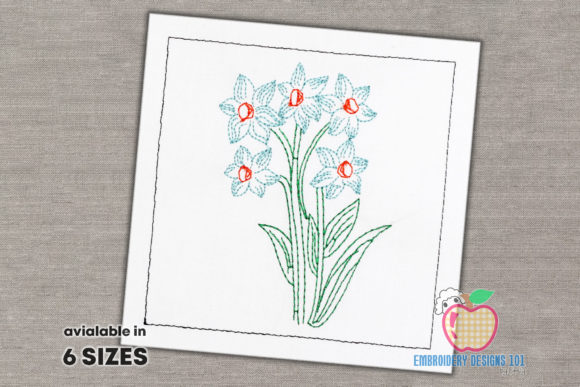
The moment I loaded the embroidery file into my software, the first thing that struck me was the lightness of the design. True to its description as "bright and pretty," the Amaryllis Single Stitch Pattern exudes a distinct spring vibe. Unlike heavy, saturated floral motifs that can weigh down a garment, this design relies on elegance and negative space. It falls squarely into the Single Flowers category, which is currently trending heavily in the handmade market because it offers a minimalist approach to botanical Embroidery.
The layout suggests a delicate, organic flow. For a boutique brand aiming for a feminine and rustic aesthetic, this is ideal. It does not scream for attention; instead, it invites a closer look. This subtlety is crucial for modern apparel decorators who want their pieces to feel like wearable art rather than loud advertisements. The stitching personality appears refined, avoiding the chunky, overly dense look that often plagues lower-quality digital assets. It feels decorative without being cluttered, making it a versatile choice for various creative entrepreneurs.
Application on Sweatshirts and Hoodies
The core of my review focuses on sweatshirt embroidery, specifically for a cozy seasonal apparel line. I tested the design on three different fabric bases: a heavyweight neutral cream cotton blend, a deep charcoal fleece, and a soft pastel pink terrycloth. The results varied significantly, offering valuable insights for any Etsy seller or small shop product developer.
On the neutral cream sweatshirt, the design felt incredibly premium. The light background allowed the thread colors to pop without harsh contrast, creating a soft, ethereal look perfect for lifestyle product photography. When placed on the left chest of an oversized hoodie, the hoodie design element felt balanced and proportional. It was not too small to get lost in the fabric texture, nor too large to overwhelm the wearer.
However, on the dark charcoal fabric, I had to be strategic with my thread colors. A direct translation of the default colors would have vanished. By switching to high-contrast pastels and metallics, the Amaryllis Single Stitch Pattern transformed into a bold, statement piece. This versatility is a huge selling point for custom apparel businesses, as it allows one design asset to serve multiple customer preferences. On the pastel pink fabric, the design leaned into the "cute" and "playful" descriptors, appealing to a younger demographic looking for fresh, seasonal updates to their wardrobe.
Placement and Visual Impact
Beyond the standard chest placement, I explored sleeve accents and back designs. For a boutique brand, uniqueness is key. Placing a smaller version of the flower on the cuff of a sleeve adds a surprising detail that customers love to discover. It elevates a basic garment into a handmade product with thoughtful touches. For back designs, scaling up the pattern requires careful attention to stitch density to ensure the fabric does not pucker, but the single-flower structure holds up well when enlarged, maintaining its integrity as a focal point.
Technical Considerations for Production
From a technical standpoint, working with this digital embroidery file required some standard adjustments to ensure commercial viability. One of the primary concerns for any apparel decorator is stabilizer choice. Given that sweatshirts and hoodies have a plush, uneven fabric texture, using a cut-away stabilizer is non-negotiable. This ensures that the embroidery remains stable through repeated washing and wearing, maintaining the professional finish that builds buyer trust.
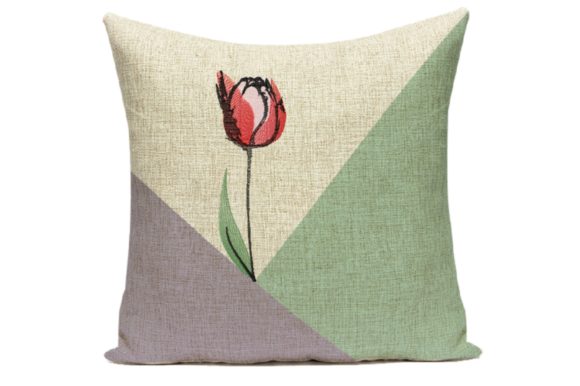
I also paid close attention to hoop size and placement. Because this is a single flower design, precise hooping is essential to keep the stem straight and the petals symmetrical. For those using multi-needle machines, the registration was straightforward, but for single-needle home machines, taking the time to baste or use adhesive spray will prevent shifting. While the provided description mentions it is suitable for t-shirts, towels, and pillows, my focus on apparel highlighted the need for proper tension settings. Too tight, and the fleece compresses; too loose, and the stitches may loop.
It is important to note that while the design feels strong enough for commercial embroidery use, designers should always check the specific stitch count and recommended hoop dimensions included in the file package. These details are not explicitly stated in the brief description, so verifying them before starting a large production run is a wise step to avoid wasted materials.
Enhancing Brand Identity and Value
Why choose the Amaryllis Single Stitch Pattern for your next collection? Beyond the aesthetic appeal, it serves as a powerful tool for brand identity. In a saturated market, consistent visual recognition is vital. Using a signature floral motif across different products—from sweatshirts to tote bags—creates a cohesive brand story. This design acts as a recognizable stamp of quality and style.
For printable mockup creation and online listings, the simplicity of the design photographs beautifully. It does not create harsh shadows or glare, which means your product images will look clean and professional. This directly impacts customer engagement and conversion rates. When a potential buyer sees a crisp, well-executed embroidery job, their perceived value of the item increases. They are not just buying a sweatshirt; they are buying a piece of curated design.
Furthermore, this design supports the narrative of the small shop product. It feels exclusive and carefully crafted, distinguishing it from mass-produced prints. For creative entrepreneurs, this distinction is what allows for higher price points and better profit margins. The finished product speaks to the care taken in its creation, fostering a deeper connection between the maker and the buyer.
Final Verdict for Designers
In conclusion, the Amaryllis Single Stitch Pattern is a robust addition to any embroidery designer’s library. It bridges the gap between casual comfort and boutique elegance. Whether you are an experienced Etsy seller looking to refresh your spring inventory or a new apparel decorator seeking a reliable, versatile motif, this design delivers. It handles well on various fabrics, adapts to different color palettes, and maintains a high level of visual appeal. By paying attention to stabilizer choices and thread contrast, you can ensure that every stitch contributes to a premium final product that stands out in the competitive world of custom fashion.