Daisy Embroidery Review: A Boutique Sweatshirt Essential
As an embroidery designer who has spent years digitizing for small clothing brands and high-volume apparel decorators, I approach every new machine embroidery design with a critical eye. It is not just about whether the artwork looks pretty on a screen; it is about how it translates to fabric, how it withstands washing, and ultimately, how it elevates the perceived value of the finished product. Recently, I had the opportunity to test the "Daisy" design for a limited drop of premium sweatshirts for a client’s boutique brand. Here is my professional assessment of how this piece performs in a real-world commercial setting.
First Impressions: Mood and Aesthetic Appeal
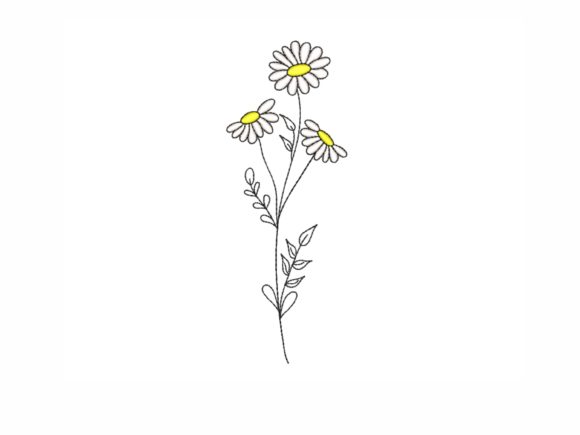
The moment I loaded the digital embroidery file into my editing software, the charm of the design was evident. True to its category of Single Flowers, the Daisy design focuses on a solitary, impactful bloom rather than a complex bouquet. This minimalism is exactly what modern consumers are looking for. It feels chic, pretty, and effortlessly feminine without being overly ornate. For a boutique owner, this aesthetic versatility is gold. It bridges the gap between rustic cottage-core trends and clean, contemporary minimalism.
The layout appears balanced, with a natural flow that suggests a soft, organic touch. When I visualized this on a neutral cream sweatshirt, the design promised to add a gentle pop of nature-inspired beauty. On darker fabrics, such as charcoal or navy, I anticipated that the contrast would make the petals stand out boldly, provided the right thread colors were chosen. The mood is undeniably cheerful yet sophisticated, making it suitable for both casual weekend wear and dressed-up cozy attire.
Application on Sweatshirts and Hoodies
The primary test for this project was application on heavy-weight cotton blends. Sweatshirt embroidery presents unique challenges compared to lightweight shirts. The fabric is thick, often fuzzy, and requires careful handling to prevent puckering. I placed the Daisy design on the left chest of an oversized hoodie, a placement that has become a staple in streetwear and boutique fashion. At this size, the design retained its readability. The petals did not merge into a solid block of thread, which is a common issue with poorly digitized floral motifs on thick textiles.
I also experimented with sleeve accents. Placing a smaller version of the Daisy near the cuff added a subtle detail that customers love. It transforms a basic garment into a custom apparel piece that feels exclusive. For back designs, I found that scaling up the design worked well, but it required checking the stitch path to ensure the run time remained efficient for production. The design’s simplicity allows it to scale reasonably well, but as with any embroidery file, testing at your intended size is non-negotiable.
Fabric Texture and Stabilizer Choices
One cannot discuss hoodie design success without addressing stabilization. Because sweatshirts have a distinct fabric texture, using the correct stabilizer is crucial. For the Daisy design, I used a medium-weight cut-away stabilizer. This provided the necessary support to keep the stitches crisp against the stretch of the knit fabric. A tear-away might suffice for woven materials, but for the cozy seasonal apparel we were producing, the cut-away ensured longevity. The design held up beautifully, with no signs of sinking into the fleece pile, thanks to proper hooping and stabilizer choice.
Commercial Viability for Etsy Sellers and Small Shops
For the Etsy seller or the owner of a small shop product line, time is money. The Daisy design offers a significant advantage: speed. While I do not have the exact stitch count here, the visual complexity suggests a moderate run time, which is ideal for fulfilling orders quickly during peak seasons. This efficiency allows creators to offer competitive pricing while maintaining healthy margins.
Moreover, the visual recognition factor is high. In a crowded online marketplace, a clean, recognizable flower motif helps build brand identity. When used consistently across a collection, Daisy becomes a signature element. It enhances buyer trust because the embroidery looks professional and intentional, not like an afterthought. This attention to detail is what converts browsers into buyers.
Enhancing Product Value and Photography
A major aspect of selling handmade goods is presentation. The Daisy design photographs exceptionally well. Its defined edges and open spaces create nice shadows and highlights in product photography. Whether you are creating a printable mockup for your online store or shooting lifestyle images, the design adds a focal point that draws the eye. It elevates the perceived value of the garment, allowing boutiques to price their items as premium artisanal goods rather than generic blanks.
When listing this as a handmade product, emphasize the quality of the stitch work. Mention the durability and the chic, pretty touch it adds to any outfit, as noted in the product description. These keywords resonate with customers looking for quality design assets in their wardrobe. The emotional connection to nature and the promise of a beautiful, durable embellishment drive engagement and sales.
Technical Considerations for Production
Before running a full batch of commercial embroidery, there are technical details to verify. The product description mentions that the design comes with multiple embroidery file formats. This is essential for compatibility with various machine brands, from Brother to Janome to Bernina. Always ensure you are using the format native to your machine for the best performance.
Additionally, check the recommended hoop size for the specific version of the design you intend to use. While the design is versatile, ensuring it fits comfortably within your hoop without excessive re-hooping will save you time and reduce the risk of misalignment. Thread color contrast is another key factor. I recommend using a slightly variegated thread for the petals to add depth, or a solid matte cotton thread for a more vintage, rustic look. Test your tension settings on a scrap piece of your actual sweatshirt fabric to dial in the perfect look.
Washing durability is paramount for apparel. The Daisy design, with its relatively open structure, should wash well if properly stabilized. However, always advise customers to turn garments inside out before washing to protect the stitches. This care instruction adds to the professional presentation of your brand.
Final Verdict: Is Daisy Ready for Your Boutique?
In conclusion, the Daisy embroidery design is a strong contender for any designer looking to expand their Single Flowers collection. It balances aesthetic appeal with practical producibility. It feels premium enough for high-end boutiques yet accessible enough for casual everyday wear. For creative entrepreneurs, it offers a reliable, attractive option that enhances brand identity and customer satisfaction.
Whether you are decorating oversized hoodies, cozy cardigans, or tote bags, this design delivers a chic and pretty touch. Just remember to verify the specific technical details like stitch density and exact file formats provided in your download package before starting production. With the right setup, Daisy can become a staple in your custom apparel lineup, driving sales and delighting customers who appreciate the beauty of nature stitched into their daily lives.