Geometric Rose: A Designer’s Review for Modern Embroidery
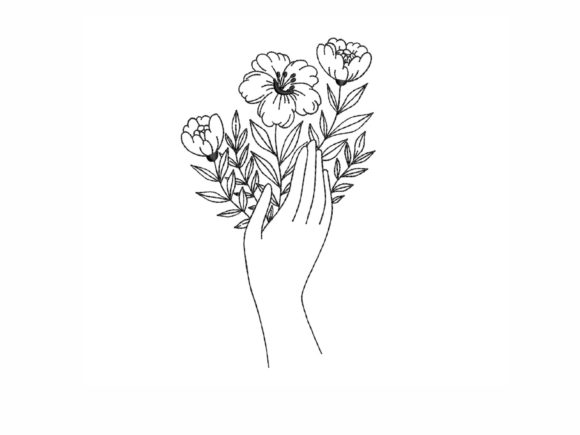
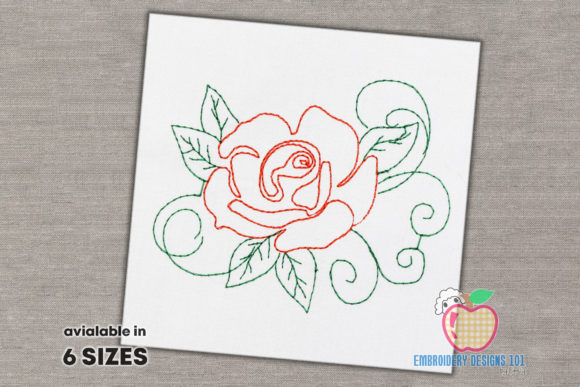
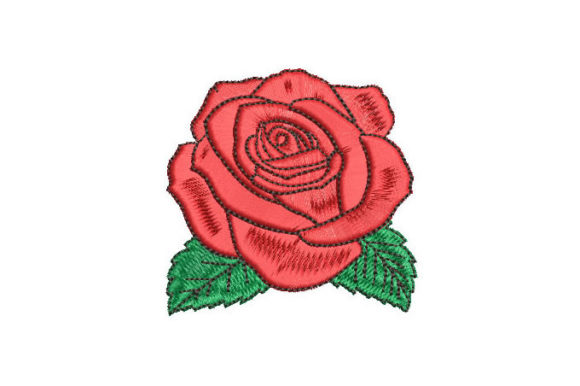
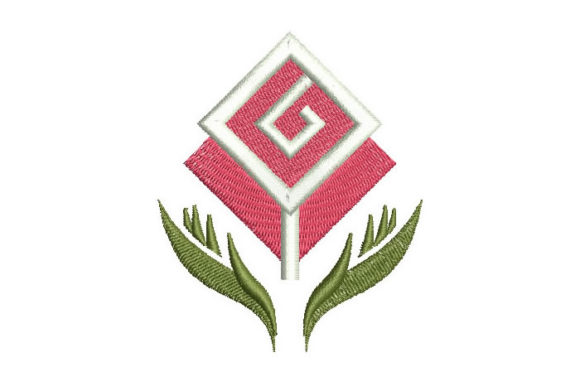
As a designer who spends more time staring at stitch maps than actual fabric, I have developed a keen eye for what works in the hoop and what looks good on paper but fails in thread. When I first pulled up the Geometric Rose design, my initial reaction was one of pleasant surprise. In a market saturated with hyper-realistic florals and vintage-style botanicals, this piece stands out by stripping the rose down to its essential, angular beauty. It is modern, utterly charming, and possesses a boldness that many traditional floral motifs lack.
This is not just another pretty picture; it is a strategic design asset. For embroidery designers, small business owners, and Etsy sellers, understanding how a design like this performs in real-world applications is crucial. I evaluated this piece not just for its aesthetic appeal, but for its practicality in commercial embroidery projects, custom apparel, and handmade products.
The Visual Impact: Why Geometry Works in Thread
The first thing you notice about Geometric Rose is its clean lines. By utilizing a geometric approach within the Outline Flowers category, the design avoids the excessive density that often plagues floral embroidery. Traditional roses often rely on heavy fill stitches to create depth, which can result in a stiff, cardboard-like feel on soft fabrics. This design, however, leans into negative space and sharp angles.
The mood it creates is contemporary and chic. It feels less like a grandmother’s doily and more like a modern logo or a boutique brand mark. This visual personality makes it incredibly versatile. It does not scream "crafty" in a derogatory sense; instead, it whispers "curated." For a craft business owner, this distinction is vital. Customers are increasingly looking for minimalist, high-end aesthetics in their personalized gifts and custom apparel. This design delivers that look without requiring complex color blending or advanced stitching techniques.
Real-World Application: The Tote Bag Test
To truly gauge the value of an embroidery file, I mentally place it on various substrates. Let’s consider a standard canvas tote bag, a staple for any small shop product. A realistic, dense rose might sink into the weave of a heavy canvas, losing its definition. Geometric Rose, with its cleaner structure and likely reliance on running stitch or light satin stitch elements, sits beautifully on textured fabrics.
I imagine this design centered on a natural cotton tote, stitched in a deep charcoal or matte black thread. The contrast against the neutral background would be striking. It transforms a simple bag into a statement piece. This is where the design shines for Etsy sellers: it elevates the perceived value of the finished product. It looks intentional and designed, rather than just stamped on. Whether you are creating holiday embroidery for gift sets or everyday carry items, this design holds its own.
Versatility Across Products
Beyond tote bags, this design is a strong contender for sweatshirt embroidery. On fleece or French terry, dense designs can pucker the fabric if not stabilized perfectly. The open nature of this geometric floral reduces that risk. It would look exceptional on the left chest of a oversized crewneck, offering a subtle yet sophisticated accent.
For those in the baby embroidery niche, caution is always key regarding comfort. However, because this design appears to prioritize outline and structure over heavy saturation, it could work well on denim jackets or sturdy cotton onesies, provided the back is properly finished. It also translates well to embroidered patches. The sharp lines would cut cleanly, making it ideal for iron-on or sew-on badges that appeal to a younger, trend-conscious demographic.
Technical Considerations for the Stitcher
While the design is visually appealing, practical execution requires attention to detail. As an experienced reviewer, I must highlight where care is needed. The "geometric" aspect implies sharp corners and straight lines. In machine embroidery, sharp turns can cause thread breaks or puckering if the digitizing is not precise. Before committing to a final project, always test the design on scrap fabric similar to your final material.
Stabilizer choice is critical here. For stretchy fabrics like t-shirts or caps, a cut-away stabilizer is non-negotiable to maintain the integrity of those straight lines. If you are working on a curved surface, such as a cap, ensure the design is scaled appropriately. Large, rigid geometric shapes can distort on tight curves. A smaller hoop size might actually benefit this design, keeping the geometry tight and crisp.
Thread color contrast is another factor. Because the design relies on shape rather than shading, the choice of thread colors will define its success. I recommend testing it in black and white mockups first. If it reads clearly in monochrome, it will work in any color. Avoid using threads that blend too closely with the fabric texture unless you are aiming for a subtle, tonal look. High contrast enhances the geometric precision.
Commercial Viability and Branding
For digital product sellers and creative entrepreneurs, Geometric Rose offers strong potential for design assets. It fits seamlessly into modern branding kits. Imagine using this motif on printable mockups for social media previews. Its clean lines photograph well and do not get lost in low-resolution screens. This is a significant advantage for online marketing.
However, always verify the licensing terms. The product description mentions it is a good fit for creative projects, but you must confirm whether the license allows for commercial use of finished items or if it is limited to personal use. Never assume. Check the specific terms provided with the digital embroidery file before selling any finished product or incorporating it into a client’s bespoke design.
Avoiding Common Pitfalls
- Fabric Texture: Avoid using this on highly textured fabrics like bouclé or thick wool unless you use a topping stabilizer. The sharp lines may get lost in the pile.
- Dense Stitch Areas: If the design includes any unexpected fill stitch sections, check the stitch density. High density on thin fabric will cause puckering.
- Small Details: If scaling down for tiny items like baby socks, ensure the smallest geometric elements remain visible. Too small, and they may merge into a blob.
- Dark Fabric: When stitching on dark fabric, ensure your thread has enough sheen or brightness to stand out. Matte threads on black cotton can disappear.
Final Verdict: A Modern Classic
In the world of Embroidery, trends come and go, but clean design endures. Geometric Rose is a refreshing departure from the norm. It respects the limitations of the machine while maximizing aesthetic impact. For the hobbyist, it is an enjoyable stitch that builds confidence with its clear structure. For the professional, it is a reliable tool for creating high-value, modern handmade products.
Whether you are decorating aprons for a boutique kitchenware shop, creating personalized wedding gifts, or expanding your Etsy listings with fresh spring designs, this motif deserves a spot in your library. It bridges the gap between artistic flair and commercial practicality. Just remember to test, stabilize, and respect the geometry. When handled with care, this design does not just add a flower to your project; it adds a signature style.
Before you load the hoop, take a moment to review the file details. Check the recommended hoop size and ensure your machine can handle the specific file format provided. With the right preparation, Geometric Rose will prove to be a versatile and profitable addition to your creative toolkit.