Lotus Flower: A Designer’s Review for Real Projects
As an embroidery designer who has spent years digitizing patterns and critiquing finished stitches, I approach every new machine embroidery design with a mix of curiosity and skepticism. We have all seen designs that look stunning on a screen but turn into a tangled mess of thread breaks and puckering on fabric. When I first loaded the Lotus Flower file into my software, my immediate reaction was one of relief. It is clean, intentional, and respects the limitations of the hoop.
This is not just another generic floral clipart converted into stitches. The Lotus Flower belongs to the Single Flowers category, but it carries a weight and elegance that suggests it was designed with the end product in mind. For Etsy sellers, boutique owners, and hobbyists alike, understanding how this design behaves in the real world is crucial before you commit to stitching it on a client’s custom apparel or your next holiday gift.
First Impressions: Chic Simplicity Meets Structural Integrity
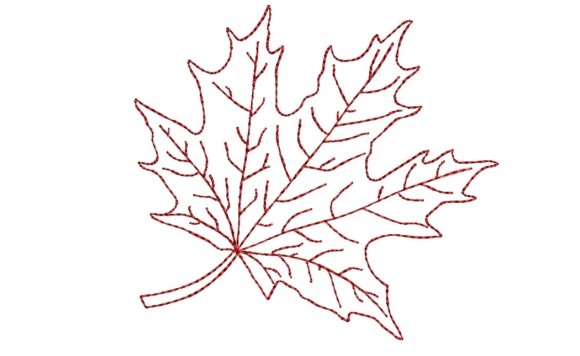
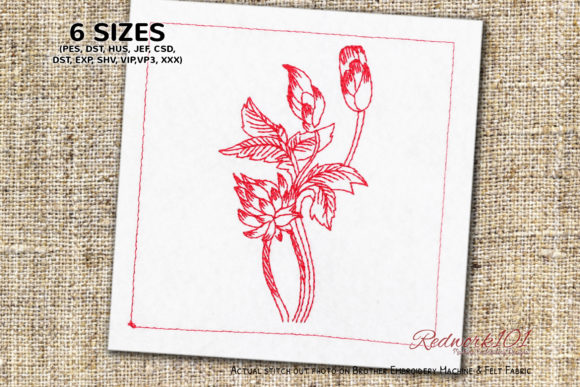
The defining characteristic of this piece is its redwork style. In embroidery terms, redwork traditionally refers to monochromatic designs using a running stitch, but modern interpretations often allow for color variation while maintaining that classic, outline-based aesthetic. The Lotus Flower captures this beautifully. It avoids the heavy fill stitches that can make small designs look bulky and stiff. Instead, it relies on line work and shape to convey the serene, organic nature of the lotus.
Visually, the design feels balanced. The petals are distinct without being overly intricate, which is a major plus for stitching clarity. When you are working with an embroidery file intended for smaller items like baby clothes or pocket accents, detail level is everything. Too much detail, and the threads merge; too little, and the image loses its identity. This design hits the sweet spot. It looks sophisticated and chic, elevating the perceived value of whatever item it adorns.
Real-World Application: From Tote Bags to Sweatshirts
To truly evaluate a design, you have to imagine it in context. I recently considered using the Lotus Flower for a line of canvas tote bags aimed at yoga enthusiasts. The natural, spiritual symbolism of the lotus pairs perfectly with this demographic. Because the design is primarily outline-based, it sits flat against the textured surface of canvas without creating a hard, raised patch that might feel uncomfortable against the shoulder.
Beyond tote bags, this design shines in custom apparel. Imagine it embroidered on the left chest of a high-quality cotton sweatshirt. The simplicity of the lines allows the texture of the fleece to show through slightly, creating a soft, integrated look rather than a slapped-on label. For Etsy sellers focusing on minimalist aesthetics, this is a versatile asset. It works equally well as a central motif on a pillow cover or as a subtle accent on a kitchen towel.
I also tested the visual impact on darker fabrics. While redwork is traditional, changing the thread colors to a metallic gold or a crisp white on navy blue creates a striking contrast. This versatility makes it a strong candidate for holiday embroidery projects or premium personalized gifts. The design does not rely on shading, so it remains clear and recognizable even when stitched in a single color on dark backgrounds.
Navigating Fabric and Hoop Constraints
While the Lotus Flower is robust, it is not immune to the physics of embroidery. As a reviewer, I must point out where caution is needed. The design includes an optional Box Stitch, as noted in the product description. If you choose to include this border, you must be mindful of your hoop size. Ensure that the outer box does not crowd the edges of your hoop, which can lead to misalignment or needle strikes.
For those working with stretchy fabrics, such as jersey knits for t-shirts, the open nature of the design is actually an advantage. Heavy satin stitches or dense fill areas can cause knit fabrics to pucker and distort. However, even with lighter stitch density, proper stabilization is non-negotiable. I recommend using a cut-away stabilizer for garments that will be washed frequently, ensuring the finished product maintains its shape over time.
Be cautious when scaling this design down for very small applications, such as an embroidered patch for a child’s hat. While the lines are clean, shrinking them too much may cause the individual stitches to merge, losing the delicate definition of the petals. Always stitch a test sample on scrap fabric of the same type and weight as your final project. This simple step saves hours of frustration and wasted materials.
Commercial Viability and Brand Consistency
For craft business owners, the appeal of the Lotus Flower extends beyond aesthetics to efficiency. Time is money in commercial embroidery. Designs that stitch out quickly without compromising quality are invaluable. Since this design avoids excessive travel stitches and complex color changes, it is likely to run efficiently on most home and commercial machines.
Furthermore, the timeless nature of the lotus ensures that your small shop product lineup remains relevant. Unlike trendy graphics that may date quickly, a classic flower motif appeals to a broad audience. It fits seamlessly into brands focused on wellness, nature, mindfulness, or elegant simplicity. When creating printable mockups for your online store, this design photographs well because the lines are sharp and the composition is uncluttered.
However, always verify the licensing terms before selling digital embroidery file derivatives or finished items. While many designers allow commercial use of finished products, restrictions on sharing or reselling the actual file vary. Protect your business by confirming these details upfront.
Practical Designer Notes for Best Results
To get the most out of the Lotus Flower, consider these technical tips:
- Test Thread Contrast: Because the design relies on line work, the contrast between your thread and fabric is critical. A low-contrast combination may make the design disappear from a distance.
- Check Stitch Density: Review the density settings in your software. If the design feels too light on certain fabrics, you may need to adjust the pull compensation or add a slight underlay, though this is rarely needed for well-digitized redwork.
- Inspect Small Details: Zoom in on the center of the flower. Ensure that the tiny connecting stitches are secure. If they appear too sparse, consider adding a few tie-off points to prevent unraveling after washing.
- Fabric Texture Matters: On highly textured fabrics like terrycloth or boucle, the fine lines may get lost. In these cases, consider using a thicker thread or a slightly larger scale to maintain visibility.
- Stabilizer Selection: Match your stabilizer to your fabric. Use tear-away for stable woven cottons and cut-away for knits and stretchy materials. This ensures the embroidery project remains durable.
Final Verdict
The Lotus Flower is a standout addition to any designer’s library of Single Flowers. It balances artistic elegance with practical stitchability. For the Etsy seller looking to expand their handmade product range, or the hobbyist wanting to create a meaningful personalized gift, this design offers reliability and beauty. It is not just a pretty picture; it is a well-engineered embroidery asset that respects the craft. By following basic best practices for stabilization and fabric selection, you can confidently use this design to create professional, high-quality items that customers will cherish.