Coaster Clover: A Designer’s Review for Real Projects
As an embroidery designer who has spent countless hours digitizing, testing, and stitching out thousands of files, I have developed a keen eye for what works in the real world. It is one thing to look at a digital preview on a screen; it is entirely another to see how a machine embroidery design behaves under the needle, especially when you are trying to build a reputable craft business. Recently, I took a close look at Coaster Clover, a charming piece from the Single Flowers category, to determine if it holds up for professional use. This review is not just about aesthetics; it is about practical application for Etsy sellers, boutique owners, and hobbyists who want their finished product to look polished and high-quality.
First Impressions and Visual Personality
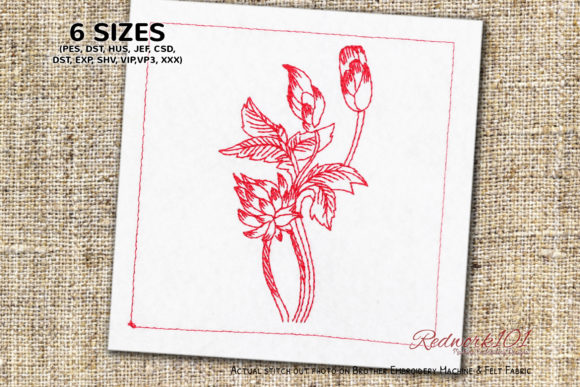
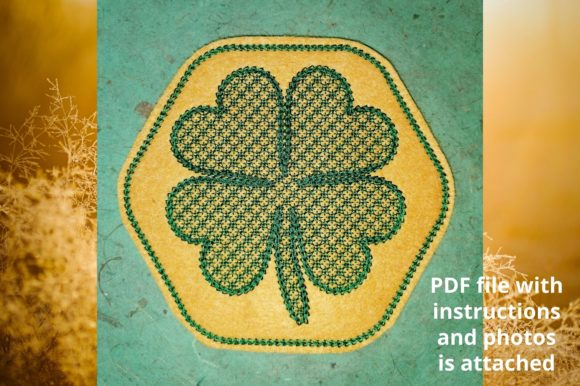
The first thing that strikes you about Coaster Clover is its balanced simplicity. In the world of Embroidery, less is often more, provided the details are crisp. This design exudes a natural, organic mood that fits seamlessly into the current trend of botanical and nature-inspired decor. The layout is compact yet distinct, making it versatile enough for various applications without overwhelming the fabric.
What I appreciate most is the potential for color play. The description suggests using contrasting colors for an amazing effect, and I wholeheartedly agree. When I visualized this design, I imagined deep emerald greens against a cream linen or vibrant teal threads on a navy background. This contrast does not just make the design pop; it highlights the stitch definition, which is crucial for perceived value. For a personalized gift or a small shop product, this visual clarity can be the difference between a item that looks homemade and one that looks handmade by a professional.
Real-World Application: Beyond the Coaster
While the title suggests this is perfect for coasters, limiting Coaster Clover to drink mats would be a missed opportunity. As a designer, I always look for versatility in a digital embroidery file. Let us consider a real-life scenario: you are preparing a custom order for a local boutique that specializes in sustainable home goods. They need a cohesive line of kitchen textiles.
Here, Coaster Clover shines as a tote bag design. Stitched onto a heavy canvas tote, the floral motif adds a touch of elegance without being too busy. The same design could easily transition to sweatshirt embroidery, placed subtly on the left chest area for a minimalist look. I can also see it working beautifully on baby embroidery projects, such as a muslin swaddle or a bib, provided the stitch density is appropriate for delicate skin and frequent washing. The key is understanding that this design asset is flexible. It can elevate a plain apron, add charm to a pillow cover, or serve as a delicate accent on a holiday table runner.
Performance on Different Fabrics and Hoops
One of the critical aspects of evaluating any embroidery project is understanding how it interacts with fabric texture. Coaster Clover appears to have a moderate level of detail. This means it will perform well on stable fabrics like cotton, linen, and denim. However, caution is advised when moving to textured or stretchy materials.
If you are planning to use this on a fleece blanket or a knit cap, you must consider your stabilizer choice carefully. A cut-away stabilizer might be necessary to prevent the design from pulling or distorting over time. Additionally, because the design relies on contrast, stitching it on dark fabric requires careful thread selection. You cannot simply rely on the default thread colors in your software; you must test combinations to ensure the petals and leaves remain distinct. For curved surfaces like caps, the compact size of the clover is an advantage, but you must ensure the hoop size allows for proper placement without hitting seams or buckles.
Design Details and Stitching Clarity
From a technical standpoint, the success of Coaster Clover lies in its stitch types. While I do not have the exact stitch count or file breakdown here, typical designs in this category utilize a mix of satin stitch for outlines and fill stitch for broader areas. Satin stitches provide that glossy, premium look that customers associate with high-end custom apparel. However, long satin stitches can snag if not properly underlaid.
For those creating an embroidered patch, this design would need to be bordered with a dense satin edge to keep the fabric edges contained. If you are using it for commercial embroidery where items will be washed frequently, check the stitch density. Too dense, and the fabric will pucker; too sparse, and the backing will show through. My advice is to always run a test stitch-out on scrap fabric that matches your final product. This simple step saves time, thread, and reputation.
Commercial Viability and Brand Consistency
For digital product sellers and Etsy sellers, consistency is key. Coaster Clover offers a clean aesthetic that can help build a recognizable brand identity. If your shop focuses on botanical themes, this design fits naturally into a collection. It works well in printable mockup previews because its shape is easily recognizable even at small thumbnail sizes.
When selling design assets or finished items, transparency about licensing is vital. Before you list this as part of a holiday embroidery collection or a wedding gift line, confirm the license terms. Can you sell the physical stitched items? Can you share the file? These details matter for legal compliance and professional integrity. Buyers trust sellers who are clear about what they are purchasing, whether it is a machine embroidery design for personal use or a commercial license for bulk production.
Practical Notes for the Embroiderer
To get the best results with Coaster Clover, keep these practical tips in mind:
- Test on Scrap Fabric: Always stitch a sample on the same material you plan to use for the final product. This helps you adjust tension and stabilizer.
- Check Thread Contrast: Use contrasting colors as suggested. Test your thread palette against both light and dark backgrounds to ensure visibility.
- Review Stitch Density: If the design feels stiff after stitching, consider reducing the density in your editing software if you have the skills, or choose a lighter weight fabric.
- Confirm Hoop Size: Ensure your machine’s hoop can accommodate the design dimensions comfortably, leaving room for proper hooping.
- Inspect Small Details: Zoom in on the digital file to check for tiny jumps or complex corners that might cause thread breaks.
- Use Proper Stabilizer: Match the stabilizer to the fabric. Woven backings for wovens, cut-away for knits.
- Verify Licensing: Before selling any handmade product featuring this design, read the license agreement to ensure commercial use is permitted.
Final Verdict
Coaster Clover is a solid addition to any embroiderer’s library. It is not just a pretty picture; it is a functional applique design or standard stitch file that offers flexibility across multiple product lines. Whether you are decorating a tea towel, creating a unique patch, or launching a new line of baby clothes, this design provides the clean, professional look that modern consumers expect. By paying attention to fabric choice, thread contrast, and stabilization, you can transform this simple flower into a standout element of your craft business. Remember, the quality of the final item reflects directly on your brand, so take the time to test and refine. With the right approach, Coaster Clover can become a staple in your portfolio of reliable, beautiful embroidery projects.