Reviewing Faux Embroidery Canva Frame Letters_33
As an embroidery designer who has spent years digitizing patterns and testing them on everything from delicate silk to heavy denim, I approach every new machine embroidery design with a critical eye. Recently, I had the opportunity to evaluate Faux Embroidery Canva Frame Letters_33 for a potential line of personalized gifts in my shop. While this is technically a digital asset rather than a traditional stitch file, its application in the modern craft economy is fascinating. It bridges the gap between high-end custom embroidery and accessible, drag-and-drop design tools.
My goal was simple: determine if this resource could help me create compelling product previews and hybrid designs that attract customers looking for that coveted handmade aesthetic. Here is my practical review of how this tool performs in a real-world small business setting.
The First Impression: Charm and Emotional Appeal
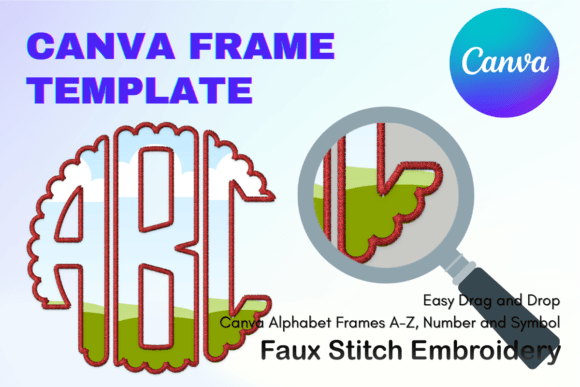
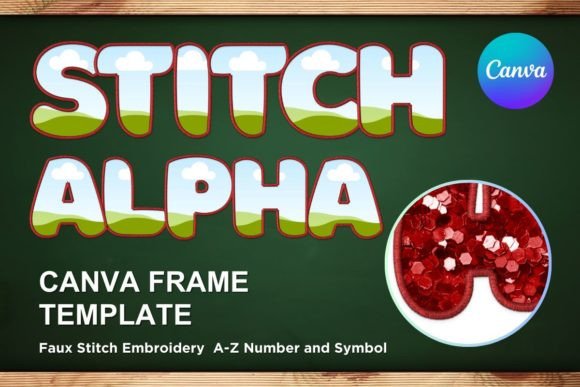
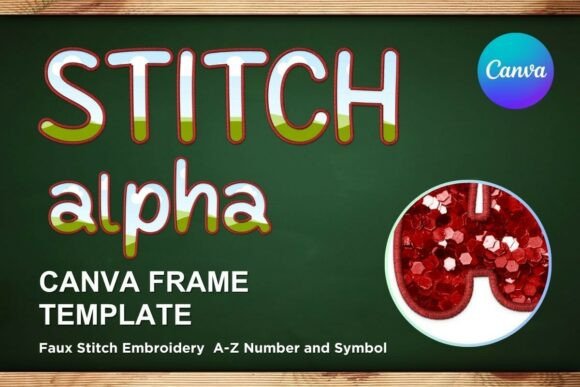
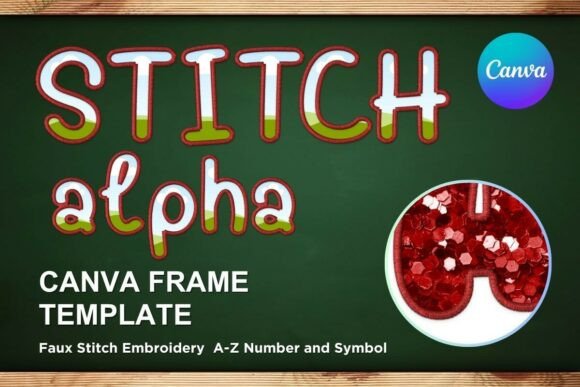
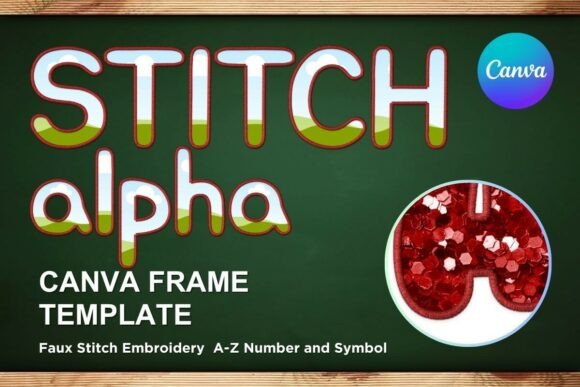
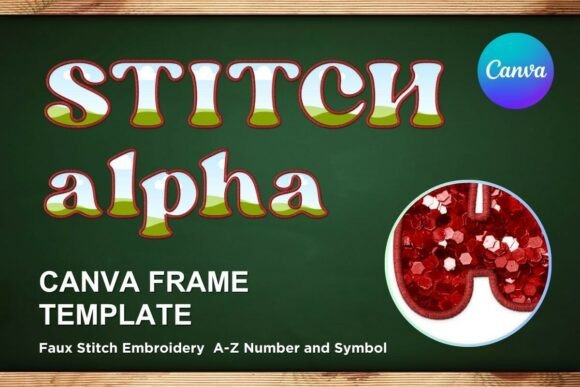
When I first opened the PDF file containing the link to the Canva templates, I was struck by the immediate warmth of the design. The mood is undeniably sweet and elegant, capturing that soft, textured look of hand-stitched lettering without the hours of manual labor. For a designer, the appeal lies in the "faux" aspect—it mimics the raised, tactile quality of thread, which triggers an emotional connection with buyers who value artisanal quality.
The detail level is impressive for a digital graphic. It feels playful yet classic, making it versatile enough for both modern nursery decor and romantic wedding keepsakes. This visual charm is crucial because, in the world of online selling, the image is often what stops the scroll. If you are an Etsy seller or a small shop owner, having assets that look like a finished handmade product can significantly boost buyer engagement before you even stitch a single thread.
Real-World Applications for Personalized Gifts
I tested the versatility of Faux Embroidery Canva Frame Letters_33 by imagining several common customer requests. The primary use case here is creating high-quality mockups for personalized gift listings. However, it also serves as a fantastic base for hybrid products.
- Baby Embroidery and Nursery Items: Imagine a customer wanting a name on a muslin swaddle or a nursery wall art print. Using these templates in Canva allows you to show them exactly how their baby’s name will look in a soft, embroidered style. It works beautifully for blanket embroidery previews, helping parents visualize the final sentimental piece.
- Wedding Gifts and Keepsakes: For bridal showers or anniversary gifts, the elegant script style fits perfectly on pillow cover designs or commemorative prints. It adds a layer of sophistication that appeals to couples looking for something more refined than standard block letters.
- Kitchen and Home Decor: I visualized this design on an embroidered towel or a custom apron. The faux texture suggests a cozy, domestic warmth that sells well in home goods categories. It allows you to offer a "custom embroidery" look for items where actual stitching might be cost-prohibitive or too time-consuming for low-margin products.
By using this digital embroidery file alternative, you can rapidly prototype ideas. You can create a printable mockup that looks so realistic, customers often assume the final physical product will be stitched, so clarity in your product description is key.
Navigating Limitations and Fabric Considerations
While Faux Embroidery Canva Frame Letters_33 is a powerful tool for design and marketing, it is essential to understand where it fits in the production pipeline. Since this is a graphic resource and not a stitch file, you cannot send it directly to an embroidery machine. This distinction is vital for maintaining customer trust.
If you plan to use this design to guide actual stitching, you must consider fabric limitations. Real embroidery behaves differently on various materials. For instance, delicate details in the faux design might get lost on highly textured fabrics like thick terry cloth towels. Similarly, stretchy baby clothes require careful handling; if you were to translate this look into actual thread, you would need to account for stitch density and use the proper stabilizer to prevent puckering.
Furthermore, when working with dark fabrics, the light-colored threads implied by the graphic may not pop without underlay stitches or contrasting thread choices. Always test on scrap fabric first. If you are using the graphic for printed products (like DTG printing on tote bags), ensure the resolution is high enough to maintain the illusion of thread texture. Curved surfaces, such as the brim of a cap or the side of a mug, may distort the visual effect, so flat surfaces like pillow covers or framed art are ideal candidates for this specific aesthetic.
Boosting Perceived Value and Customer Trust
One of the most significant advantages of using Faux Embroidery Canva Frame Letters_33 is its impact on perceived value. In the competitive landscape of small shop product sales, presentation is everything. A well-designed mockup that showcases the intricate "stitches" of the font can make a digital listing feel tangible and premium.
This enhances giftability. When a customer sees a preview that looks like a lovingly crafted wedding gift or a cherished baby item, they are more likely to complete the purchase. It builds an emotional bridge, suggesting that the final product—whether it is actually embroidered or printed—will carry the same weight of care and quality. For commercial embroidery businesses, this tool can speed up the consultation phase, allowing you to show clients options quickly without digitizing every single name variation.
Practical Notes for Designers and Makers
To get the most out of this resource, keep these practical tips in mind:
- Check the Details: Since you receive a PDF with a link to Canva templates, ensure you are comfortable using Canva’s interface. The 12x12 inch paper size is standard for many craft projects, but always verify the scale when exporting for different products.
- Contrast is Key: When creating mockups, pay attention to thread colors against fabric backgrounds. High contrast ensures the faux embroidery effect is visible and legible, especially for smaller lettering.
- Licensing Clarity: Before selling finished products or using these designs in commercial listings, confirm the licensing terms provided in the download. Understanding whether you can sell the digital mockups or only the physical items derived from them is crucial for legal compliance.
- Manage Expectations: If you are selling a physical embroidered item based on this design, be clear about the differences between the digital preview and the actual stitch-out. Factors like hoop size and fabric texture will alter the final look.
In conclusion, Faux Embroidery Canva Frame Letters_33 is a valuable addition to the toolkit of modern makers. It offers a shortcut to achieving that beloved handmade look, streamlining the design process for custom embroidery previews and printed goods. By understanding its strengths and limitations, you can leverage this graphic to enhance your product offerings, improve customer visualization, and ultimately drive sales in your personalized gift business.