Three Flowers: A Designer’s Review for Small Business Merch
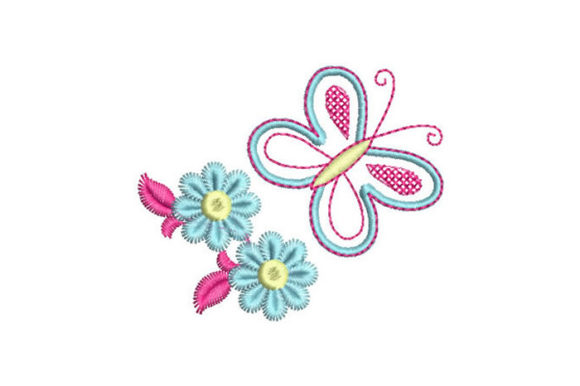
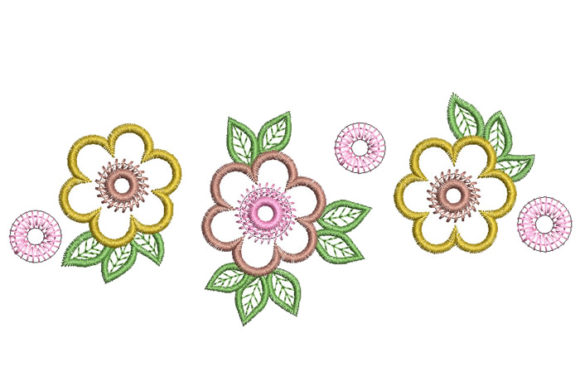
As an embroidery designer who has spent years digitizing patterns and consulting with small business owners, I approach every new machine embroidery design with a critical eye. It is not just about whether a pattern looks pretty on a screen; it is about how it performs in the real world of commercial production. When I first reviewed Three Flowers, my immediate impression was one of understated elegance. The description promises a "simple and pretty" aesthetic, and visually, it delivers a fresh touch that avoids the clutter often found in floral motifs. For boutique owners, Etsy sellers, and local brands, this balance between simplicity and visual interest is crucial.
First Impressions: Professionalism Meets Freshness
In the crowded market of digital embroidery file purchases, standing out requires a design that communicates brand values instantly. Three Flowers feels friendly yet professional. It does not scream for attention with aggressive boldness, nor does it fade into the background with excessive minimalism. Instead, it occupies a sweet spot that I would describe as rustic-modern. This makes it incredibly versatile for businesses that want to convey warmth and authenticity without sacrificing a premium look. Whether you are running a cozy café, a handmade soap shop, or a local florist service, this design aligns well with a brand identity that values natural elements and thoughtful craftsmanship.
The floral category is saturated, but many designs suffer from over-digitization, resulting in stiff, unnatural lines. Three Flowers appears to maintain the organic flow of nature, which is essential for creating a genuine handmade product feel. When customers see this level of detail on a tote bag or an apron, it signals quality. It suggests that the business owner cares about the finer details, which directly influences customer trust and perceived value.
Real-World Applications for Small Business Merch
The true test of any embroidery file is its adaptability across various merchandise types. Based on the product description, which highlights apparel, bedsheets, curtains, towels, and tablecloths, here is how I envision Three Flowers performing in a commercial setting.
- Branded Patches: This is perhaps the strongest use case. A simple floral motif works beautifully as an embroidered patch. You can sew these onto denim jackets, canvas totes, or even packaging inserts. Patches allow for flexibility; you can produce them in bulk and apply them to different items as needed, reducing inventory risk.
- Staff Uniforms and Aprons: For cafes and bakeries, apron embroidery is a powerful branding tool. Placing Three Flowers on the chest pocket or the upper corner of an apron adds a personal touch that plain uniforms lack. It softens the professional look, making staff appear more approachable and aligned with a hospitality-focused brand.
- Cap Embroidery: Floral designs on caps are trending, but they require careful placement. This design’s simplicity makes it suitable for cap embroidery, provided it is scaled correctly. It can serve as a subtle side emblem or a centered front logo accent, offering a break from the typical heavy text-based caps.
- Tote Bag Design: Canvas tote bags are staples for retail shops. Stitching this floral design onto a neutral-colored tote creates an instant lifestyle product. It transforms a basic utility item into a desirable accessory that customers are proud to carry around, effectively turning them into brand ambassadors.
Navigating Technical Challenges in Production
While Three Flowers is visually appealing, experienced embroiderers know that beauty must be backed by technical stability. When integrating this design into your small business merch line, there are specific areas where caution is required.
First, consider the stitch density. Floral designs often rely on satin stitches for petals and fill stitches for leaves. If the density is too high for lightweight fabrics like silk or thin cotton shirts, you may experience puckering. Always test the design on the exact fabric you intend to use. For delicate materials, a cut-away stabilizer might be necessary to support the weight of the threads, whereas a tear-away might suffice for sturdy canvas or denim.
Second, pay attention to scale. The description mentions it is perfect for projects needing a "fresh touch," which implies it might be designed for medium-sized applications. If you attempt to shrink Three Flowers down for a tiny label or a small hat patch, you risk losing definition. Fine details can merge, and small text (if included in variations) may become unreadable. Conversely, blowing it up too large for a blanket might expose gaps in the fill if the original digitizing was optimized for a smaller hoop.
Third, consider thread colors and contrast. On dark uniforms, light pastel threads might not pop enough unless you use an underlay effectively. I recommend creating a printable mockup in black and white first. If the design holds its shape and clarity in grayscale, it will likely work well in color. This step saves time and thread waste during the prototyping phase.
Enhancing Brand Identity and Customer Engagement
Using a consistent visual language across your design assets is key to building recognition. Three Flowers can serve as a secondary brand element. If your primary logo is text-heavy, this floral motif can soften your marketing materials. Imagine using it on thank-you cards, tissue paper seals, or as a watermark on social media posts. This consistency creates a cohesive brand experience.
Furthermore, in the realm of commercial embroidery, the perceived value of a product increases significantly with custom detailing. A plain towel becomes a luxury item with a floral monogram. A standard shirt becomes a collector's piece with a unique sleeve detail. By leveraging Three Flowers strategically, you are not just selling a product; you are selling an aesthetic and an experience. This emotional connection drives buyer engagement and encourages repeat purchases.
Practical Designer Notes for Implementation
Before you commit to a large production run, follow these practical steps to ensure the best results with this Floral design:
- Check the Specs: The product description does not list exact stitch counts, file formats, or recommended hoop size. Always verify these details with the seller before purchasing. Ensure the file format is compatible with your machine (e.g., PES, DST, JEF).
- Test on Real Fabric: Never skip the sampling phase. Stitch out the design on the actual material you plan to sell. Check for thread breaks, tension issues, and registration accuracy.
- Review Licensing: Confirm the commercial licensing terms. Most digital files allow for physical product sales, but restrictions may apply to sharing the digital file itself. Protect your business by ensuring you have the right to use the design for profit.
- Mockup for Approval: If you are doing custom work for clients, create a digital mockup showing Three Flowers on their specific garment. This helps manage expectations and reduces the likelihood of revisions after stitching begins.
- Consider Fabric Texture: Rough textures like burlap or thick terry cloth towels may require adjustments in pull compensation. Smooth fabrics like polo shirts will show every imperfection, so precise digitizing and stabilization are non-negotiable.
In conclusion, Three Flowers is a strong contender for small business owners looking to add a touch of nature-inspired elegance to their merchandise. It bridges the gap between decorative art and functional branding. By understanding its technical requirements and leveraging its aesthetic versatility, you can create high-quality custom apparel and accessories that resonate with your audience. Remember, the success of any Embroidery project lies not just in the design itself, but in how thoughtfully it is applied to the final product.