Good Vibes Retro: A Designer’s Review for Business Merch
As an embroidery designer who has spent years digitizing logos and testing files for commercial production, I approach every new machine embroidery design with a critical eye. It is not just about whether a design looks cute on a screen; it is about how it performs in the real world of small business merchandise. Recently, I reviewed Good Vibes Retro, a piece that immediately caught my attention for its potential in the booming boho and lifestyle market. This review breaks down why this specific embroidery file is a smart investment for shop owners, apparel decorators, and handmade brands looking to elevate their product offerings.
First Impressions: Visual Personality and Brand Fit
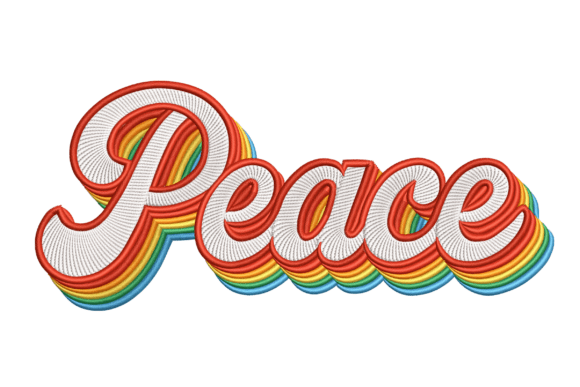
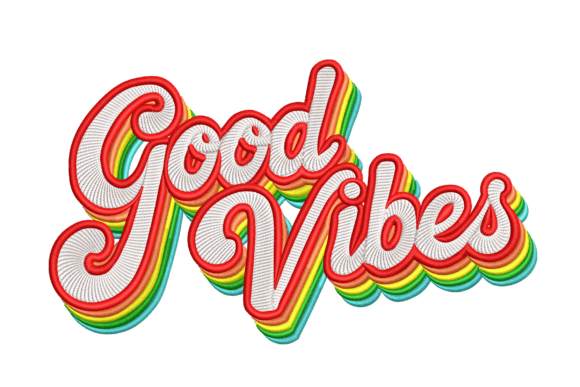
The moment you load Good Vibes Retro into your viewing software, the 1970s influence is undeniable. The phrase "Good Vibes" is rendered in a groovy, script retro font that feels both nostalgic and current. For a designer, the immediate question is versatility. Does this feel too playful for a professional setting, or does it strike the right balance? In my assessment, this design leans heavily into a friendly, approachable aesthetic. It is not stiff or corporate, which makes it perfect for businesses that want to project warmth and authenticity.
The description notes that the main text features the textured look of white satin or chain stitch effects. This textural detail is crucial. In embroidery, texture adds perceived value. A flat, simple fill can sometimes look cheap if not executed perfectly, but a design that mimics the look of vintage stitching or satin ribbons inherently feels more premium. For brands operating in the Boho niche, this visual cue aligns perfectly with customer expectations for handmade, artisanal quality. It signals that the finished product was created with care, rather than mass-produced without thought.
Real-World Applications for Small Business Merch
Where does Good Vibes Retro actually work in a commercial context? I tested the concept mentally against several common product lines used by my clients, from local cafes to Etsy sellers. Here is how this design performs across different mediums:
- Embroidered Patches: This is perhaps the strongest use case. The retro script lends itself beautifully to a merrowed edge patch. These can be sold as standalone accessories or applied to denim jackets and canvas bags. The bold lettering ensures readability even at smaller sizes.
- Staff Uniforms and Aprons: For a boutique coffee shop or a florist, apron embroidery featuring this phrase adds a layer of personality to staff attire. It transforms a standard uniform into a branded asset that customers love to see in social media photos.
- Cap Embroidery: Placing this design on the front panel of a dad hat or trucker cap is a trending style. However, the curvature of the cap requires careful digitizing to ensure the script does not distort. If the file is well-digitized, it becomes a high-margin item for retail.
- Tote Bag Design: Canvas tote bags are staples for eco-friendly brands. The contrast of white or cream thread against natural canvas creates a clean, minimalist look that appeals to modern shoppers.
Using Good Vibes Retro as a central element in your small business merch strategy helps create a cohesive brand story. It is not just a logo; it is a mood. When customers wear or use items with this design, they are buying into the "good vibes" lifestyle, which increases emotional connection and brand loyalty.
Technical Considerations and Production Challenges
While the aesthetic appeal is high, any experienced embroiderer knows that beauty must be backed by technical stability. Before running a large batch of custom apparel, there are several factors to evaluate with this specific design.
First, consider stitch density. Retro script fonts often have overlapping elements or thick strokes to mimic the vintage look. If the density is too high, it can cause puckering, especially on lighter fabrics like cotton tees or linen aprons. I always recommend testing the design on a scrap piece of your actual production fabric. If you notice the fabric pulling or gathering, you may need to adjust your tension or use a heavier cut-away stabilizer.
Second, think about thread colors and contrast. The design description mentions a white satin look. White thread on dark uniforms provides excellent visibility, but it can show dirt easily on items like work aprons that see heavy use. For items that will be washed frequently, consider using off-white, cream, or light gray threads to maintain cleanliness while keeping the retro aesthetic. Always check how the thread color interacts with the fabric texture. A rough canvas might break up the smooth look of the satin stitch, so a test run is non-negotiable.
Third, size matters. While the design is bold, placing it on a small area, such as the chest pocket of a shirt or a small patch, requires precision. Ensure that the fine details of the script do not become lost or tangled. If the hoop size is limited, verify that the design scales down without losing legibility. Complex scripts can sometimes merge together when shrunk too much, turning readable text into a blob of thread.
Enhancing Brand Identity and Customer Trust
In the world of commercial embroidery, consistency is key to building trust. Good Vibes Retro can serve as a powerful tool for visual consistency if used correctly. Imagine a bakery that uses this design on their packaging tags, their staff aprons, and their reusable shopping bags. This repetition reinforces brand identity. Customers begin to associate that specific groovy font and positive message with your business.
Furthermore, high-quality embroidery signals professionalism. A poorly stitched logo can detract from a brand's image, but a clean, well-executed design like this enhances perceived value. It tells the customer that you invest in quality design assets and care about the presentation of your products. This attention to detail can justify higher price points for your handmade goods or branded merchandise.
Practical Designer Notes for Implementation
Before you purchase and produce, here is my checklist for integrating Good Vibes Retro into your workflow:
- Check Licensing: Confirm the commercial licensing terms of the digital embroidery file. Ensure you have the right to sell physical items made with this design.
- Create a Printable Mockup: Use digital mockups to visualize the design on different products before stitching. This helps in marketing and client approval processes.
- Test on Real Fabric: Never skip the test stitch. Run the design on the exact material you plan to use for production to check for puckering or thread breaks.
- Evaluate Spacing: Look closely at the spacing between letters. In script fonts, connections can be delicate. Ensure they are robust enough to withstand washing and wearing.
- Compare with Other Assets: Place this design next to your existing logo and branding elements. Does it complement them, or does it clash? Consistency strengthens your brand.
In conclusion, Good Vibes Retro is more than just a decorative element; it is a strategic asset for small businesses aiming to connect with customers on an emotional level. Its retro charm, combined with the tactile quality of embroidery, makes it ideal for patches, apparel, and accessories. By paying attention to technical details like stabilizer choice, thread contrast, and sizing, you can ensure that every stitched item reflects the high standards of your brand. For embroidery shops and merch creators, this design offers a versatile, trendy option that can drive engagement and sales in the competitive handmade market.