Review: Embroidery Wedding Invitation Suite for Merch
As an embroidery designer who has spent years digitizing logos and refining stitch paths for small businesses, I approach every new machine embroidery design with a critical eye. It is not just about whether a design looks pretty on a screen; it is about how it translates to fabric, how it holds up in the wash, and how it serves the brand identity of the client. Recently, I evaluated the Embroidery Wedding Invitation Suite, a collection categorized under Print Templates and Graphics, to determine its viability for commercial embroidery projects. While the title suggests paper goods, the visual language of this suite offers intriguing possibilities for branded merchandise, provided we navigate the technical challenges carefully.
First Impressions: Elegance Meets Practicality
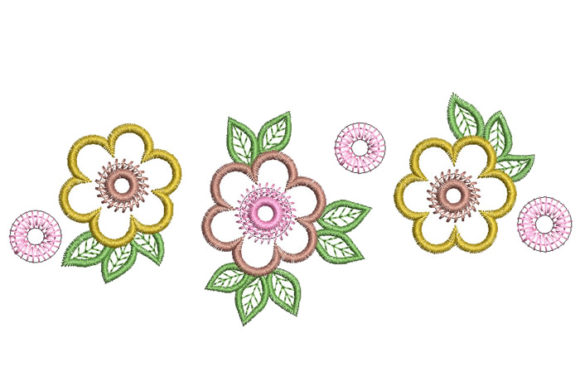
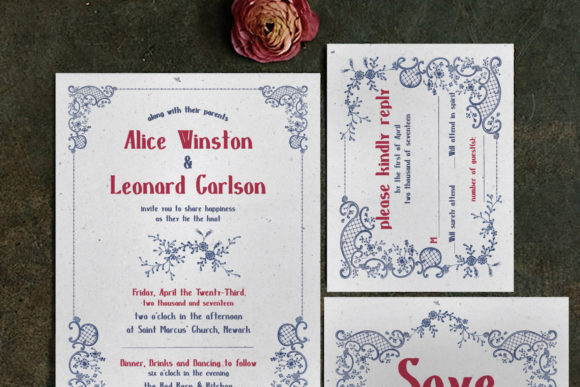
The first thing that strikes you about the Embroidery Wedding Invitation Suite is its classic yet simple aesthetic. In a market saturated with overly complex, high-density designs that puckers fabric and breaks needles, this suite feels refreshingly restrained. The lines appear clean, suggesting a balance between decorative flair and structural integrity. For a small business owner, this is crucial. You want a design that communicates professionalism and elegance without requiring hours of machine time or excessive thread consumption.
The "embroidery-style" description implies a texture that mimics hand-stitched work, which aligns perfectly with the current consumer demand for handmade products. Whether you are running an Etsy shop, a local boutique, or a creative studio, this visual personality can elevate your brand perception. It feels premium and trustworthy, two qualities that drive customer engagement and justify higher price points for custom apparel and accessories.
Real-World Applications for Small Business Merch
When I look at a digital embroidery file like this, I immediately start visualizing its application beyond the original intent. While the product description mentions wedding invites, save the dates, and menu cards, the graphic elements within the suite are versatile enough for various physical products. Here is how I see this working in a real business scenario:
- Branded Patches: The clean outlines of the suite make it an excellent candidate for an embroidered patch. Patches are a low-risk, high-reward item for small businesses. You can produce them in batches and apply them to jackets, hats, or tote bags later. The classic style ensures they do not look dated quickly.
- Staff Uniforms and Aprons: For bakeries, florists, or cafes, staff presentation is part of the customer experience. An apron embroidery featuring a simplified element from this suite adds a touch of sophistication. It signals attention to detail, which customers subconsciously associate with the quality of the food or service.
- Tote Bag Design: Canvas tote bags are a staple for retail shops. The Embroidery Wedding Invitation Suite can serve as a central motif or a subtle corner accent. Because the design is described as simple, it is less likely to distort on the loose weave of canvas, provided the right stabilizer is used.
- Cap Embroidery: Front-panel cap embroidery requires designs that are not too tall or wide. If the suite includes compact icons or monograms, these can be scaled down effectively for headwear, creating a cohesive look across all staff uniforms.
Navigating Technical Challenges and Fabric Constraints
However, enthusiasm must be tempered with technical caution. As a designer, I have seen beautiful graphics fail in production due to a lack of understanding regarding stitch density and fabric texture. The Embroidery Wedding Invitation Suite must be evaluated for these constraints before you commit to a large run of commercial embroidery.
Stitch Density and Detail: If the design features fine lettering or intricate borders, these may not translate well at small sizes. Tiny lettering can become illegible when stitched out, especially on textured fabrics like towels or heavy canvas. I recommend testing the design at the smallest intended size first. If the details merge or the stitches become too dense, the fabric may pucker, ruining the finished product.
Fabric Texture and Stabilizer: The success of any embroidery project relies heavily on the interaction between the thread, the fabric, and the stabilizer. For dark uniforms, you must consider thread color contrast. A light, elegant design might get lost on a black chef’s coat unless you use high-contrast thread colors or add an underlay that pops. Always test on the actual fabric you plan to use. A printable mockup can help visualize placement, but it cannot predict how the thread will sit on a specific fabric texture.
Curved Surfaces: Applying this design to caps or curved sleeves requires careful hooping. If the design is too wide, it may distort on the curve. Check the hoop size requirements against your machine’s capabilities. If the design exceeds your standard hoop, you may need to split the design or choose a different element from the suite.
Enhancing Brand Identity and Customer Trust
Why go through the trouble of embroidering instead of just printing? The answer lies in brand identity and perceived value. Embroidery adds tactile depth to your small business merch. When a customer receives a tote bag or a shirt with a stitched logo from the Embroidery Wedding Invitation Suite, they perceive it as higher quality than a screen-printed alternative. This perception builds trust.
For handmade brands and crafters, consistency is key. Using a cohesive set of design assets across your packaging, uniforms, and products creates a professional image. This suite, with its classic and simple vibe, can serve as the anchor for that visual consistency. It tells your customers that you care about the details, from the invitation to the thank-you note, and even the bag they carry their purchase home in.
Practical Designer Notes for Production
Before you load this embroidery file into your machine, follow these steps to ensure a successful outcome:
- Test in Black and White: Remove color from your simulation to check for contrast and clarity. If the design relies solely on color to distinguish elements, it may fail in single-color stitching scenarios.
- Check Commercial Licensing: The product description does not explicitly state the license terms for using these graphics on physical goods for sale. Always confirm commercial licensing before using any digital asset for business purposes. Do not assume that buying a Print Template grants you the right to sell embroidered items derived from it.
- Verify File Formats: Ensure the file is compatible with your embroidery machine. Common formats include PES, DST, or JEF. If the format is not listed, contact the seller before purchasing.
- Create a Mockup: Use a printable mockup to show clients or stakeholders how the design will look on an apron or cap. This helps manage expectations and allows for adjustments before stitching begins.
- Inspect Spacing: Look at the spacing between design elements. In embroidery, bridges of fabric between stitches are necessary for stability. If the design is too dense, it may require manual editing to reduce stitch count and prevent puckering.
In conclusion, the Embroidery Wedding Invitation Suite offers a sophisticated aesthetic that can transcend its original category of Print Templates. For the savvy small business owner, it represents an opportunity to create high-value, branded merchandise that stands out. However, success depends on rigorous testing, proper stabilization, and a clear understanding of licensing. By treating this graphic as a serious production asset rather than just a decorative element, you can leverage its classic charm to enhance your brand identity and delight your customers.